
Hospital Administrator Qualification: Everything You Need to Know
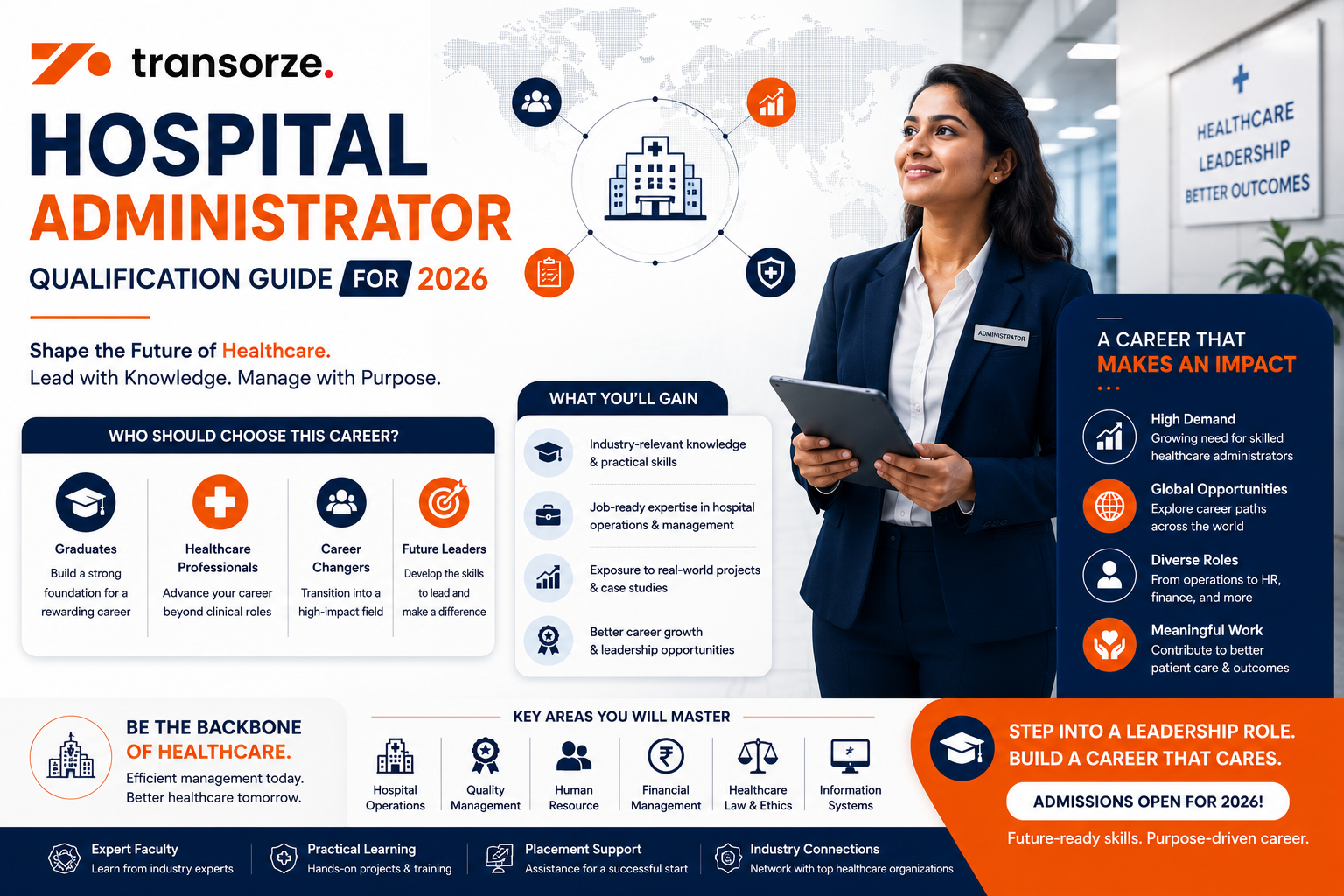
Healthcare is one of the fastest-growing industries in India and globally. As hospitals and healthcare institutions expand, the demand for skilled professionals who can manage operations efficiently is increasing rapidly. This has made hospital administration one of the most promising career options for students and working professionals alike.
If you are planning to enter this field, understanding the hospital administrator qualification requirements is the first step toward building a successful healthcare management career.
This guide explains the educational qualifications, skills, certifications, eligibility criteria, career scope, salary expectations, and the best pathways to become a hospital administrator in 2026.
For a more detailed overview of career opportunities and eligibility, you can also explore this comprehensive guide on hospital administration qualification and career pathways.
What Is a Hospital Administrator?
A hospital administrator is responsible for managing the daily operations of hospitals, clinics, healthcare centers, and medical institutions. Their responsibilities include:
- Managing hospital staff
- Coordinating departments
- Maintaining healthcare regulations
- Budget planning
- Improving patient services
- Supervising hospital operations
- Handling healthcare documentation and systems
Hospital administrators ensure that medical facilities function efficiently while delivering quality patient care.
What Is the Required Hospital Administrator Qualification?
The qualifications required to become a hospital administrator can vary depending on the role, employer, and level of responsibility. However, most healthcare institutions look for candidates with educational backgrounds in healthcare management or hospital administration.
Basic Educational Qualification
The minimum educational qualification usually includes:
- Higher Secondary Education (Plus Two)
Students from any stream can pursue hospital administration after completing 12th grade.
Preferred streams include:
- Science
- Commerce
- Humanities
- Diploma or Degree in Hospital Administration
Candidates can choose from:
- Diploma in Hospital Administration
- Bachelor’s Degree in Hospital Administration
- BBA in Hospital Management
- MBA in Hospital Administration
- PG Diploma in Healthcare Management
These programs provide foundational knowledge in:
- Healthcare systems
- Hospital operations
- Medical ethics
- Healthcare laws
- Patient management
- Medical billing and insurance
Students interested in course details can explore hospital administration course structure and syllabus to understand what is covered during training.
Eligibility Criteria for Hospital Administration Courses
Different institutions have varying admission requirements. However, the common eligibility criteria include:
Course Type | Eligibility |
Diploma in Hospital Administration | 10+2 from recognized board |
Bachelor’s Degree | Plus Two with minimum marks |
PG Diploma | Graduation in any discipline |
MBA in Hospital Administration | Bachelor’s degree with entrance requirements |
Some institutes may also prefer candidates with:
- Communication skills
- Leadership qualities
- Computer proficiency
- Basic healthcare knowledge
Essential Skills Required for Hospital Administrators
Educational qualifications alone are not enough to succeed in healthcare administration. Employers also look for candidates with strong management and interpersonal skills.
Important Skills Include:
Communication Skills
Hospital administrators interact with doctors, nurses, patients, vendors, and management teams daily.
Leadership Ability
Managing teams and coordinating departments requires leadership and decision-making skills.
Organizational Skills
Handling hospital workflows, patient records, and administrative systems demands strong organization.
Problem-Solving Skills
Healthcare environments often involve emergency situations and operational challenges.
Financial Management
Understanding budgeting, billing, insurance, and healthcare finance is highly valuable.
Technology Skills
Modern hospitals rely heavily on:
- Hospital Information Systems (HIS)
- Electronic Medical Records (EMR)
- Healthcare software
- Data management systems
Types of Hospital Administration Courses
There are several educational pathways available depending on your career goals and academic background.
Diploma Courses
Diploma programs are ideal for:
- Beginners
- Freshers after Plus Two
- Career switchers
Duration:
- Usually 6 months to 1 year
Benefits:
- Short-term training
- Faster job entry
- Practical healthcare administration exposure
Bachelor’s Degree Programs
These are suitable for students seeking long-term careers in healthcare management.
Duration:
- 3 to 4 years
Subjects Include:
- Hospital operations
- Healthcare finance
- Human resource management
- Medical terminology
- Public health systems
PG Diploma Programs
Designed for graduates who want specialized healthcare management knowledge.
Duration:
- 1 year
MBA in Hospital Administration
An MBA is suitable for candidates aiming for senior management roles.
Common roles include:
- Hospital Operations Manager
- Healthcare Consultant
- Medical Superintendent
- Healthcare Project Manager
Is Certification Important in Hospital Administration?
Yes. Certifications can significantly improve employability and professional credibility.
Healthcare employers increasingly prefer candidates with:
- Industry-recognized certifications
- Internship experience
- Practical hospital exposure
A structured certification program helps students gain:
- Administrative expertise
- Real-world hospital workflow understanding
- Placement readiness
You can learn more about hospital management certification programs that help improve career opportunities in the healthcare sector.
Career Opportunities After Hospital Administration
The healthcare industry offers a wide range of career options for qualified hospital administrators.
Popular Job Roles
Hospital Administrator
Oversees complete hospital operations and administration.
Healthcare Manager
Coordinates healthcare services and facility management.
Medical Office Manager
Manages clinics, diagnostic centers, or private practices.
Patient Care Coordinator
Handles patient services and communication.
Operations Executive
Supports administrative functions in hospitals.
Healthcare HR Executive
Manages recruitment and workforce coordination in healthcare facilities.
Insurance and Billing Coordinator
Works with medical claims, insurance processing, and billing systems.
For students exploring future prospects, this guide on healthcare administration career opportunities provides insights into emerging healthcare roles.
Salary of a Hospital Administrator in India
Salary depends on:
- Qualification level
- Experience
- City and location
- Healthcare institution type
- Skill specialization
Average Salary Range
Experience Level | Average Salary |
Fresher | ₹2.5 – ₹4 LPA |
Mid-Level | ₹4 – ₹7 LPA |
Senior-Level | ₹8 – ₹15 LPA+ |
Metro cities and large hospital chains often offer higher salary packages.
Professionals with:
- MBA qualifications
- Certifications
- Digital healthcare knowledge
- Leadership experience
typically receive better compensation.
Why Hospital Administration Is a Growing Career in 2026
Several factors are driving demand for healthcare administrators:
Expansion of Healthcare Infrastructure
India continues to invest heavily in:
- Hospitals
- Clinics
- Diagnostic centers
- Telemedicine services
Rising Healthcare Awareness
Patients now expect better healthcare experiences and organized services.
Digital Transformation
Healthcare institutions increasingly use:
- Electronic records
- Healthcare software
- AI-based management systems
Medical Tourism Growth
India remains a major destination for affordable healthcare services, increasing the need for efficient hospital management professionals.
How to Choose the Right Hospital Administration Course
Selecting the right institution and training program is extremely important for career success.
Look for These Factors
Industry-Relevant Curriculum
Ensure the syllabus includes:
- Healthcare management
- Medical terminology
- Hospital operations
- Patient care systems
Internship Opportunities
Practical training provides real-world exposure.
Placement Assistance
Institutes offering placement support can help students secure entry-level jobs faster.
Experienced Faculty
Learning from healthcare industry professionals adds practical value.
Certification Recognition
Choose programs recognized by healthcare employers.
Institutions like Transorze focus on industry-oriented training and practical exposure that help students become job-ready for healthcare administration careers.
Students looking for career-focused training may also explore hospital administration placement support programs to understand how placement assistance can improve employability.
Hospital Administrator Qualification: Quick Summary
Requirement | Details |
Minimum Qualification | Plus Two |
Preferred Qualification | Diploma/Degree in Hospital Administration |
Advanced Qualification | MBA in Hospital Administration |
Important Skills | Leadership, communication, organization |
Certifications | Highly recommended |
Career Scope | High demand in healthcare sector |
Salary Potential | ₹2.5 LPA to ₹15 LPA+ |
FAQ
The basic qualification is Plus Two, followed by a diploma, degree, or certification in hospital administration or healthcare management.
Yes. Students from commerce, humanities, or science backgrounds can pursue hospital administration courses.
Yes. The healthcare sector is growing rapidly, creating strong demand for qualified hospital administrators.
Popular options include:
- Diploma in Hospital Administration
- BBA Hospital Management
- MBA Hospital Administration
- PG Diploma in Healthcare Management
Freshers may earn around ₹2.5–₹4 LPA, while experienced professionals can earn significantly more depending on the organization and role.
Certification is not always mandatory, but it improves employability and demonstrates professional expertise.
Final Thoughts
The demand for qualified healthcare administrators is expected to continue growing in 2026 and beyond. Choosing the right hospital administrator qualification pathway can open doors to stable, rewarding, and future-focused careers in the healthcare industry.
Whether you are a student after Plus Two, a graduate seeking specialization, or a professional considering a career transition, hospital administration offers strong growth opportunities across hospitals, clinics, healthcare startups, insurance companies, and medical institutions.
With the right education, practical training, certifications, and placement support, you can build a successful career in healthcare management.
