
Emerging Trends in Supply Chain Management for 2026
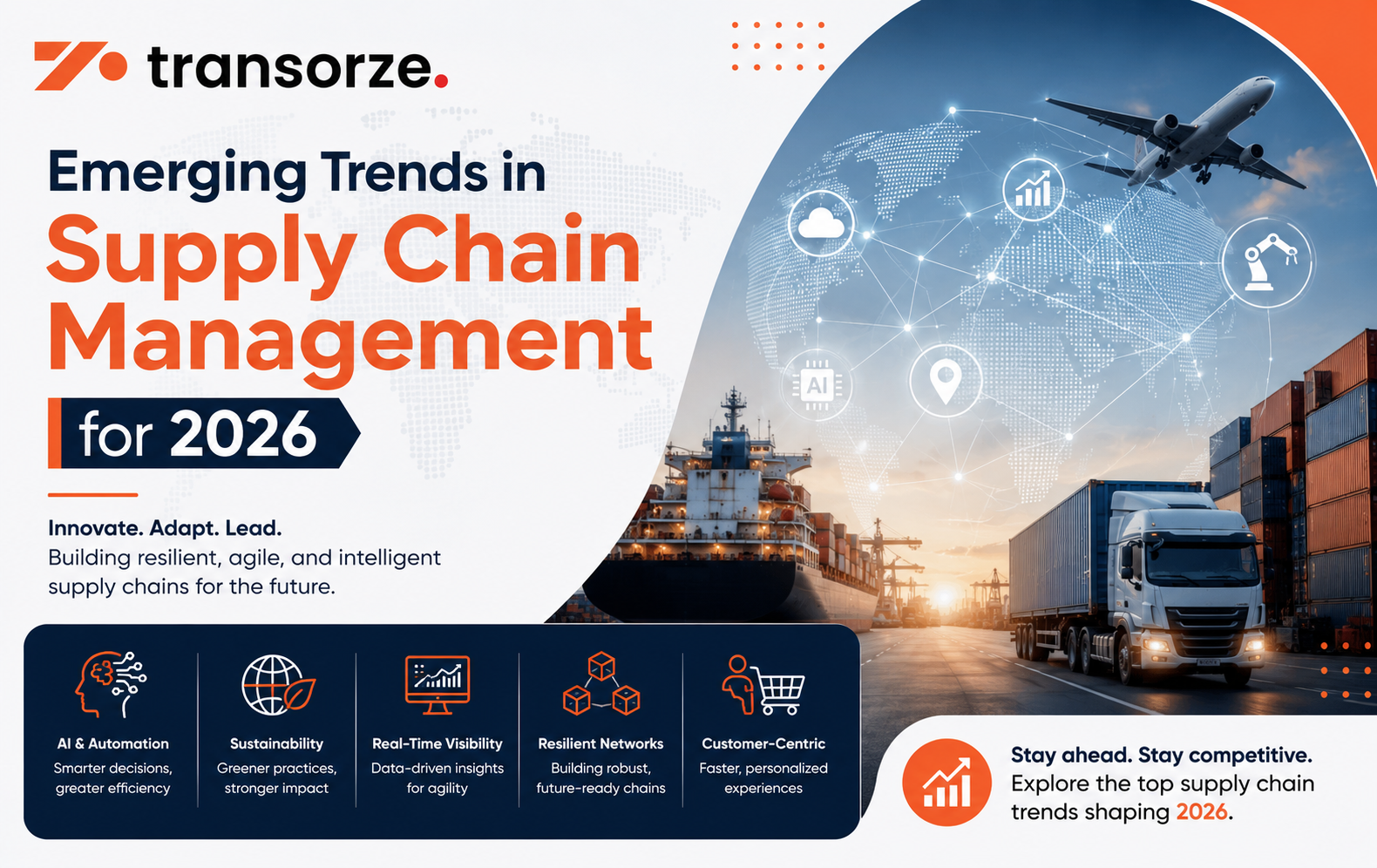
Supply chains are undergoing one of the most significant transformations in modern business history. As organizations navigate economic uncertainty, technological innovation, sustainability requirements, and global disruptions, supply chain management has become a strategic business function rather than a purely operational one.
Understanding the Emerging Trends in Supply Chain Management for 2026 is essential for students, recent graduates, logistics professionals, procurement specialists, warehouse managers, and business leaders looking to stay competitive. The professionals who develop expertise in these evolving areas will be positioned for stronger career growth, higher salaries, and expanded global employment opportunities.
This guide explores the most important supply chain trends shaping 2026, the skills employers are actively seeking, career opportunities emerging from these changes, and how professionals can prepare for long-term success.
Why Supply Chain Management Is Evolving Rapidly
The supply chain landscape has changed dramatically over the past few years. Global disruptions, changing consumer expectations, e-commerce growth, geopolitical shifts, and advances in artificial intelligence have forced organizations to rethink traditional supply chain models.
Companies today require professionals who can:
- Improve operational efficiency
- Reduce supply chain risks
- Analyze large datasets
- Implement digital technologies
- Ensure sustainability compliance
- Optimize logistics networks
- Manage global supplier relationships
As a result, demand for highly skilled supply chain professionals continues to increase across manufacturing, healthcare, retail, e-commerce, automotive, pharmaceuticals, and technology sectors.
1. AI-Powered Supply Chain Decision Making
Artificial Intelligence is no longer an experimental technology in supply chain management. In 2026, AI-driven forecasting, planning, procurement, inventory optimization, and transportation management are becoming standard business practices.
How AI Is Transforming Supply Chains
Organizations use AI to:
- Predict customer demand
- Optimize inventory levels
- Identify supply chain risks
- Improve procurement decisions
- Enhance route optimization
- Automate repetitive processes
Skills Required
Professionals should develop:
- Data analytics skills
- Business intelligence knowledge
- Predictive analytics expertise
- Supply chain software proficiency
- AI-assisted planning capabilities
Career Opportunities
Roles experiencing strong growth include:
- Supply Chain Analyst
- Demand Planning Analyst
- Logistics Data Analyst
- Inventory Optimization Specialist
- Supply Chain Technology Consultant
Salary Expectations
Professionals with AI and analytics expertise often earn significantly more than traditional supply chain practitioners because organizations increasingly prioritize data-driven decision making.
2. End-to-End Supply Chain Visibility
Modern businesses require complete visibility across suppliers, warehouses, transportation networks, and customer delivery channels.
Supply chain visibility helps organizations:
- Monitor inventory in real time
- Improve customer satisfaction
- Reduce delays
- Increase forecasting accuracy
- Strengthen supplier collaboration
Skills Required
Professionals should learn:
- ERP systems
- Warehouse Management Systems (WMS)
- Transportation Management Systems (TMS)
- Supply chain dashboards
- Real-time tracking technologies
Industry Demand
Organizations investing heavily in digital transformation need professionals capable of implementing and managing visibility platforms across global operations.
3. Sustainable and Green Supply Chains
Environmental sustainability has become a core business priority. Governments, investors, and consumers increasingly expect organizations to reduce carbon emissions and improve environmental responsibility.
Key Sustainability Initiatives
Companies are focusing on:
- Green logistics
- Sustainable sourcing
- Carbon footprint reduction
- Circular supply chains
- Waste minimization
- Ethical procurement
Skills Required
Future-ready professionals should understand:
- ESG frameworks
- Sustainable procurement
- Environmental compliance
- Carbon accounting
- Green logistics strategies
Career Growth Potential
Sustainability specialists are becoming essential contributors to supply chain planning and corporate responsibility initiatives
4. Supply Chain Risk Management and Resilience
Recent global disruptions highlighted the importance of resilient supply chains.
Organizations now prioritize:
- Multi-supplier strategies
- Risk assessment frameworks
- Business continuity planning
- Supplier diversification
- Scenario-based planning
Skills Required
Employers seek professionals skilled in:
- Risk analysis
- Supplier evaluation
- Strategic sourcing
- Crisis management
- Supply chain resilience planning
Why This Matters
Businesses increasingly value professionals who can proactively identify vulnerabilities before they impact operations.
5. Automation and Smart Warehousing
Warehouse operations are becoming more intelligent through robotics, automation, and advanced inventory technologies.
Emerging Technologies
Examples include:
- Automated storage systems
- Robotics-assisted picking
- Smart inventory management
- Autonomous mobile robots
- Digital warehouse monitoring
Skills Required
Professionals should develop expertise in:
- Warehouse technologies
- Inventory control systems
- Process optimization
- Lean operations
- Logistics automation
Career Opportunities
Growing roles include:
- Warehouse Operations Manager
- Distribution Center Analyst
- Logistics Technology Specialist
- Inventory Control Manager
6. Internet of Things (IoT) Integration
IoT devices provide real-time information throughout the supply chain.
Applications of IoT
Organizations use IoT for:
- Asset tracking
- Fleet monitoring
- Temperature-sensitive shipments
- Predictive maintenance
- Inventory management
Skills Required
Professionals should understand:
- Connected supply chain technologies
- Sensor-based monitoring
- Data interpretation
- Operational analytics
Industry Impact
IoT improves efficiency, reduces losses, and enhances customer satisfaction through real-time visibility.
7. E-Commerce Logistics Expansion
The continued growth of e-commerce is reshaping logistics and fulfillment operations worldwide.
Key Trends
Businesses are investing in:
- Faster delivery models
- Micro-fulfillment centers
- Last-mile delivery optimization
- Omnichannel logistics
- Customer-centric fulfillment
Skills Required
Professionals should gain expertise in:
- E-commerce logistics
- Fulfillment management
- Transportation planning
- Customer experience optimization
Career Opportunities
High-demand positions include:
- E-commerce Logistics Manager
- Fulfillment Operations Specialist
- Last-Mile Delivery Coordinator
8. Advanced Supply Chain Analytics
Data is becoming the foundation of supply chain performance.
Organizations increasingly rely on analytics to:
- Improve forecasting
- Optimize transportation
- Reduce costs
- Increase efficiency
- Enhance supplier performance
Skills Required
Key competencies include:
- Excel for analytics
- Dashboard creation
- Business intelligence tools
- Statistical analysis
- KPI management
Growth Potential
Analytics expertise consistently ranks among the most valuable skills in modern supply chain careers.
The Most In-Demand Supply Chain Skills for 2026
Professionals who combine technical expertise with business knowledge will enjoy the strongest career prospects.
Top skills include:
- Supply chain analytics
- Demand forecasting
- Inventory management
- Procurement management
- ERP software proficiency
- Logistics planning
- Risk management
- Sustainability practices
- AI and automation knowledge
- Leadership and communication
Employers increasingly prefer candidates who can bridge operational knowledge with digital transformation initiatives.
Career Opportunities and Growth Outlook
The future of supply chain management is exceptionally promising.
Industries actively recruiting supply chain professionals include:
- Manufacturing
- Healthcare
- Retail
- E-commerce
- Pharmaceuticals
- Automotive
- Technology
- Aviation
- FMCG
- Global logistics providers
Popular Career Paths
- Supply Chain Manager
- Logistics Manager
- Procurement Specialist
- Demand Planner
- Operations Analyst
- Inventory Manager
- Distribution Manager
- Supply Chain Consultant
Global Employment Opportunities
Supply chain expertise is highly transferable across international markets. Organizations operating global supply networks continuously seek professionals capable of managing complex cross-border operations
How Professional Training Supports Career Advancement
While experience remains valuable, employers increasingly prioritize candidates with industry-relevant certifications and practical skills.
For professionals seeking structured career development, Transorze offers Online & Offline classes focused on job-oriented technical education. Its credentials include NSDC Training Partner, AAPC Licensed, UGC Recognized, and NCVET Skill University affiliations, helping learners build industry-relevant competencies that align with evolving employer expectations.
Professional training helps learners:
- Gain practical exposure
- Develop job-ready skills
- Improve employability
- Strengthen professional credibility
- Stay updated with emerging technologies
Practical Steps to Prepare for Supply Chain Careers in 2026
If you’re planning a career in supply chain management, consider the following roadmap:
Step 1: Build Core Knowledge
Learn:
- Procurement
- Logistics
- Inventory management
- Supply chain operations
Step 2: Develop Analytical Skills
Focus on:
- Data analysis
- Reporting
- Forecasting
- KPI management
Step 3: Learn Digital Tools
Gain familiarity with:
- ERP systems
- Supply chain software
- Warehouse management platforms
- Analytics tools
Step 4: Earn Relevant Certifications
Industry-recognized certifications can strengthen your resume and improve employer confidence.
Step 5: Gain Practical Experience
Participate in:
- Internships
- Live projects
- Industry training programs
- Logistics simulations
Step 6: Continue Learning
Supply chain management evolves continuously. Lifelong learning remains essential for career advancement.
Frequently Asked Questions
The biggest supply chain trends in 2026 include artificial intelligence, supply chain visibility, sustainability initiatives, warehouse automation, IoT integration, advanced analytics, risk management, and e-commerce logistics expansion.
Yes. Supply chain management offers strong career growth, competitive salaries, global employment opportunities, and increasing demand across industries such as manufacturing, healthcare, retail, and technology.
The most valuable skills include supply chain analytics, demand forecasting, inventory management, procurement, ERP software knowledge, logistics planning, sustainability practices, and AI-enabled decision making.
Yes. Supply chain management is a globally recognized profession. Skilled professionals can pursue opportunities in multinational corporations, logistics providers, manufacturing companies, and international trade organizations.
AI enhances forecasting, inventory optimization, procurement, and logistics planning. Professionals who understand analytics and AI-supported decision-making often enjoy stronger career prospects and higher earning potential.
Industry-recognized certifications covering logistics, procurement, inventory management, analytics, and supply chain operations can improve employability and support career advancement.
Students should develop core supply chain knowledge, strengthen analytical skills, learn digital tools, pursue professional certifications, gain practical experience, and stay updated on emerging technologies.
Conclusion
Conclusion
The Emerging Trends in Supply Chain Management for 2026 highlight a clear shift toward digitalization, sustainability, analytics, automation, and resilience. Organizations increasingly need professionals who can combine operational expertise with technology-driven decision making.
Students and working professionals who invest in modern supply chain skills today will be better positioned to secure rewarding roles, achieve faster career growth, and contribute meaningfully to the future of global commerce. As businesses continue transforming their supply networks, demand for highly skilled supply chain professionals is expected to remain strong for years to come.
