
Best Strategies to Maximize Job Placement After Skill-Based Courses
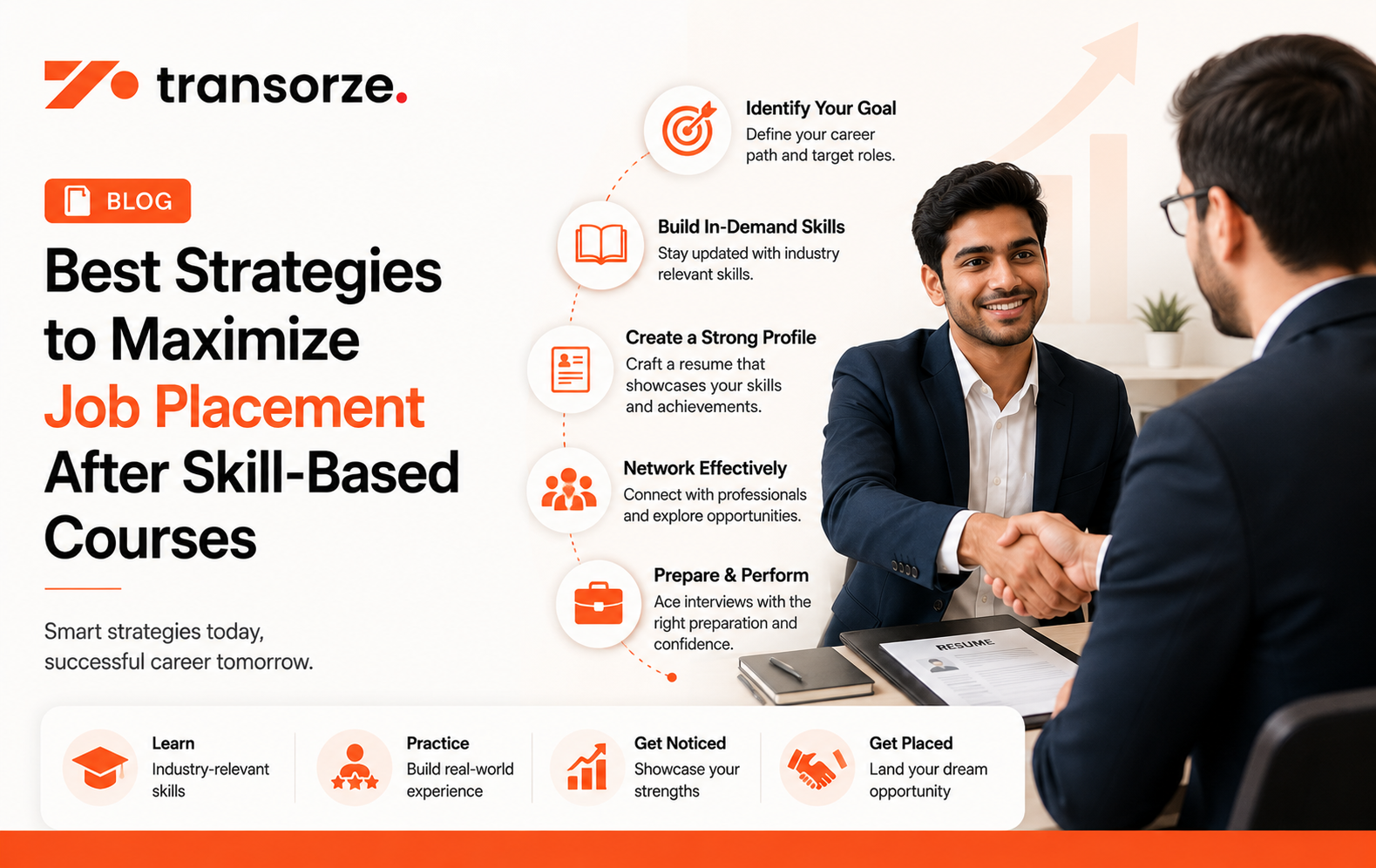
In today’s competitive job market, completing a skill-based course is only the first step toward building a successful career. The real challenge is converting newly acquired skills into meaningful employment opportunities. Whether you’re pursuing training in healthcare, digital marketing, software development, data analytics, logistics, or business technology, understanding the best strategies to maximize job placement after skill-based courses can significantly improve your career outcomes.
Employers increasingly prioritize practical skills, industry certifications, and job-ready competencies over traditional qualifications alone. As industries undergo rapid digital transformation, professionals who combine technical expertise with strategic career planning are better positioned to secure rewarding job opportunities and long-term career growth.
This guide explores proven strategies that help students and professionals maximize placement opportunities after completing skill-based training programs.
Why Skill-Based Courses Are Becoming the Preferred Career Path
Modern employers need professionals who can contribute immediately. This shift has increased demand for candidates with specialized, industry-relevant skills rather than purely academic credentials.
Skill-based courses focus on:
- Practical application of knowledge
- Industry-standard tools and technologies
- Project-based learning
- Real-world problem-solving
- Professional certifications
- Workplace readiness
As organizations continue adopting automation, artificial intelligence, cloud technologies, digital healthcare systems, and data-driven decision-making, the demand for job-ready professionals continues to grow.
Best Strategies to Maximize Job Placement After Skill-Based Courses
1. Choose Industry-Aligned Certifications
One of the most effective ways to improve employability is by selecting certifications recognized by employers.
Industry-recognized certifications demonstrate:
- Verified technical competence
- Commitment to professional development
- Understanding of industry standards
- Ability to perform specific job functions
Recruiters often use certifications as a screening criterion when evaluating candidates for entry-level and mid-level positions.
2. Build a Strong Portfolio During Training
A certification alone may not be enough. Employers want evidence of practical capability.
Create a professional portfolio that includes:
- Academic projects
- Industry simulations
- Case studies
- Technical assignments
- Internship work
- Capstone projects
For technology-focused careers, a portfolio can significantly increase interview opportunities because it demonstrates practical application rather than theoretical knowledge alone.
3. Gain Hands-On Experience Through Internships
Internships bridge the gap between classroom learning and workplace expectations.
Benefits include:
- Exposure to professional environments
- Industry networking opportunities
- Practical problem-solving experience
- Stronger resumes
- Better interview performance
Even short-term internships can improve placement outcomes by helping candidates understand workplace processes and employer expectations.
4. Develop Job-Ready Soft Skills
Technical expertise is important, but employers consistently value soft skills.
The most sought-after workplace skills include:
- Communication
- Team collaboration
- Problem-solving
- Adaptability
- Leadership
- Time management
- Critical thinking
Candidates who demonstrate both technical competence and strong interpersonal abilities are often preferred during hiring decisions.
5. Optimize Your Professional Online Presence
Recruiters frequently evaluate candidates online before scheduling interviews.
To strengthen your professional profile:
- Maintain an updated LinkedIn profile
- Showcase certifications and projects
- Share industry insights
- Participate in professional communities
- Build a personal brand around your expertise
A strong online presence can attract recruiters and create additional employment opportunities.
6. Focus on High-Demand Skills
Job placement success increases when training aligns with current market demand.
Some of today’s fastest-growing skill areas include:
- Artificial Intelligence
- Data Analytics
- Cybersecurity
- Digital Marketing
- Healthcare Information Management
- Cloud Computing
- Logistics and Supply Chain Technology
- Medical Coding
- Business Intelligence
Researching industry trends before selecting a specialization helps maximize return on educational investment.
How Skill-Based Training Improves Employability
Skill-based programs are designed to address specific workforce needs. Unlike traditional education models, these programs emphasize practical competencies that employers actively seek.
Key employability benefits include:
Faster Workforce Entry
Students can gain job-ready skills in months rather than years, accelerating career progression.
Industry-Relevant Learning
Training remains aligned with current business requirements, increasing employment opportunities.
Increased Interview Confidence
Practical projects and simulations help candidates discuss real-world applications during interviews.
Better Job Performance
Hands-on learning prepares graduates to contribute more effectively from day one.
Salary Expectations and Career Growth Potential
Compensation varies by industry, specialization, location, and experience. However, professionals with industry-recognized certifications and practical skills often experience faster career progression than those relying solely on academic qualifications.
Typical growth pathway:
Entry-Level Professional
- Focus on skill application
- Build industry experience
- Expand technical knowledge
Mid-Level Specialist
- Manage projects
- Lead teams
- Earn advanced certifications
Senior Professional
- Strategic decision-making
- Department leadership
- Specialized expertise
Continuous upskilling remains one of the most effective ways to achieve long-term salary growth and career advancement.
The Role of Structured Training in Career Success
A structured training environment helps learners acquire skills systematically while receiving mentorship, project experience, and career guidance.
When evaluating training providers, look for institutions that offer:
- Updated industry curriculum
- Practical project exposure
- Certification pathways
- Career guidance support
- Placement assistance
- Flexible learning formats
For example, Transorze offers both Online & Offline classes for technical education and professional development programs. The institution provides certifications and training pathways supported by NSDC Training Partner, AAPC Licensed, UGC Recognized, and NCVET Skill University affiliations, helping learners build industry-recognized credentials that strengthen employability.
Networking: The Often Overlooked Placement Strategy
Many job opportunities are filled through professional connections before public advertisement.
Effective networking strategies include:
- Attending industry events
- Participating in webinars
- Joining professional associations
- Engaging with alumni networks
- Connecting with recruiters
- Participating in online communities
Strong professional networks often lead to referrals, interviews, mentorship opportunities, and career growth.
Interview Preparation: Turning Skills Into Job Offers
Technical Preparation
Review:
- Core concepts
- Industry tools
- Projects completed
- Certification knowledge
Behavioral Preparation
Prepare examples demonstrating:
- Teamwork
- Leadership
- Problem-solving
- Adaptability
- Project success
Employers value candidates who can clearly explain how their skills solve business challenges.
Continuous Learning Creates Long-Term Employability
The most successful professionals view education as an ongoing process.
To remain competitive:
- Pursue advanced certifications
- Follow industry developments
- Learn emerging technologies
- Participate in workshops
- Update skills regularly
Continuous learning improves both employability and long-term earning potential.
Frequently Asked Questions
Improve your placement chances by building a strong portfolio, earning industry-recognized certifications, completing internships, networking with professionals, optimizing your LinkedIn profile, and preparing thoroughly for interviews.
Skill-based courses focus on practical, job-ready competencies that employers actively seek. While traditional education provides foundational knowledge, skill-based training often accelerates workforce readiness and employability.
High-growth sectors include healthcare, digital marketing, artificial intelligence, data analytics, cybersecurity, cloud computing, logistics, software development, and healthcare information management.
Yes. Industry-recognized certifications validate expertise and often improve hiring prospects, promotion opportunities, and salary growth, especially when combined with practical experience.
Internships provide real-world experience, strengthen resumes, improve interview performance, and help candidates develop professional networks that often lead to full-time employment opportunities.
Employers commonly seek communication, teamwork, adaptability, leadership, critical thinking, problem-solving, and time-management skills in addition to technical expertise.
Professionals should continuously monitor industry developments and pursue upskilling opportunities regularly. Updating skills every year helps maintain competitiveness and supports long-term career growth.
Final Thoughts
The best strategies to maximize job placement after skill-based courses extend far beyond simply earning a certificate. Success comes from combining industry-recognized credentials, practical experience, professional networking, portfolio development, interview preparation, and continuous skill enhancement.
As industries evolve and technology reshapes workforce requirements, professionals who proactively invest in skill development position themselves for stronger job placement outcomes, higher earning potential, and sustainable career growth. By selecting relevant training programs, building practical expertise, and maintaining a commitment to lifelong learning, you can transform educational achievements into rewarding career opportunities.
