
Hospital Administrator Job Responsibilities: Skills, Duties, and Career Growth Guide
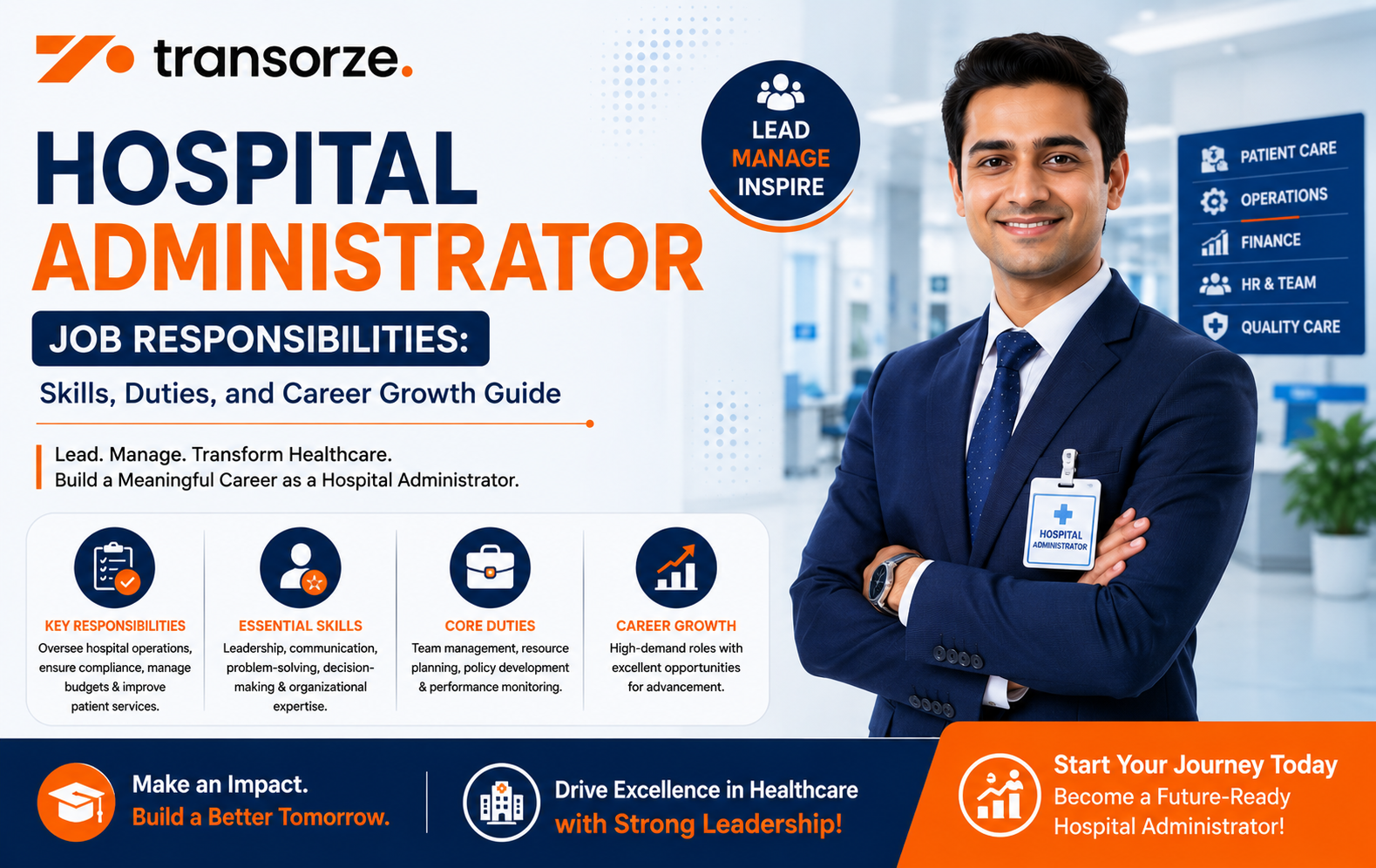
Healthcare organizations rely on strong leadership to deliver quality patient care, maintain operational efficiency, and comply with evolving regulations. Behind every successful hospital is a team of professionals managing complex administrative functions, and at the center of that effort is the hospital administrator.
Understanding hospital administrator job responsibilities is essential for anyone considering a career in healthcare management. As healthcare systems continue to expand and modernize, organizations increasingly seek skilled administrators who can oversee operations, improve patient experiences, manage budgets, and support clinical teams.
This guide explores the day-to-day responsibilities of hospital administrators, the skills employers value most, career opportunities available in healthcare administration, and how professional training can help accelerate career advancement.
What Does a Hospital Administrator Do?
A hospital administrator is responsible for planning, directing, and coordinating the overall operations of healthcare facilities. Their role bridges clinical services and business operations, ensuring that hospitals function efficiently while maintaining high standards of patient care.
Hospital administrators work closely with physicians, nurses, department heads, insurance providers, regulatory agencies, and executive leadership teams.
Their primary objective is simple yet challenging: deliver quality healthcare services while ensuring financial sustainability and operational excellence.
Core Hospital Administrator Job Responsibilities
- Managing Hospital Operations
One of the most important responsibilities of a hospital administrator is overseeing daily operations.
This includes:
- Coordinating departments
- Monitoring service delivery
- Managing facility resources
- Improving workflow efficiency
- Ensuring smooth communication between teams
Effective operational management helps hospitals reduce delays, improve patient satisfaction, and optimize resource utilization.
- Financial Planning and Budget Management
Healthcare facilities handle significant operational costs. Hospital administrators play a key role in:
- Creating annual budgets
- Monitoring expenditures
- Allocating resources
- Evaluating financial performance
- Reducing unnecessary costs
Strong financial management ensures that hospitals remain profitable while continuing to provide high-quality care.
- Regulatory Compliance and Risk Management
Healthcare organizations must comply with numerous regulations and accreditation standards.
Hospital administrators are responsible for:
- Maintaining compliance with healthcare laws
- Implementing safety policies
- Managing audits and inspections
- Ensuring patient privacy protection
- Monitoring quality assurance programs
Failure to comply can lead to legal penalties, financial losses, and reputational damage.
- Human Resource Management
Hospitals depend on a large and diverse workforce.
Administrators often oversee:
- Recruitment and staffing
- Employee performance management
- Training and development programs
- Workforce scheduling
- Staff retention initiatives
Building a motivated workforce contributes directly to better patient outcomes and organizational success.
- Strategic Planning and Organizational Growth
Healthcare is constantly evolving due to technological advancements, changing patient expectations, and policy reforms.
Hospital administrators help organizations adapt by:
- Developing growth strategies
- Expanding healthcare services
- Implementing new technologies
- Identifying operational improvements
- Evaluating market opportunities
Strategic planning ensures long-term sustainability and competitiveness.
- Enhancing Patient Experience
Patient satisfaction has become a key performance indicator for healthcare facilities.
Administrators contribute by:
- Improving patient service processes
- Reducing waiting times
- Strengthening communication systems
- Addressing patient feedback
- Supporting quality improvement initiatives
Positive patient experiences often lead to stronger hospital reputations and improved healthcare outcomes.
- Healthcare Technology Management
Modern hospitals depend heavily on digital systems.
Hospital administrators frequently oversee:
- Electronic Health Records (EHR)
- Healthcare management software
- Telemedicine initiatives
- Data security policies
- Digital transformation projects
Technology proficiency is increasingly becoming a critical competency for healthcare leaders.
Essential Skills Employers Look for in Hospital Administrators
Healthcare employers seek candidates who combine administrative expertise with leadership capabilities.
Key competencies include:
Leadership Skills
Administrators must inspire teams, resolve conflicts, and guide organizations through change.
Communication Skills
Clear communication is essential when working with medical staff, patients, insurers, and stakeholders.
Financial Acumen
Budget planning, cost control, and financial analysis are vital for organizational success.
Problem-Solving Ability
Healthcare environments often require quick decision-making under pressure.
Regulatory Knowledge
Understanding healthcare policies and compliance requirements is critical.
Analytical Thinking
Data-driven decision-making helps improve operational efficiency and patient care outcomes.
Technology Proficiency
Knowledge of healthcare information systems provides a competitive advantage.
Why Healthcare Administration Is a Growing Career Field
Several factors are driving demand for healthcare administrators worldwide.
Aging Populations
Growing healthcare needs among aging populations increase demand for healthcare services and administrative leadership.
Expansion of Healthcare Facilities
Hospitals, specialty clinics, diagnostic centers, and healthcare networks continue expanding to meet patient demand.
Digital Healthcare Transformation
Healthcare organizations increasingly require professionals who can manage digital systems and technology integration.
Regulatory Complexity
As healthcare regulations become more sophisticated, organizations need trained administrators to ensure compliance and quality standards.
Focus on Patient-Centered Care
Healthcare providers are investing heavily in operational improvements that enhance patient experiences.
These trends create significant opportunities for skilled healthcare administration professionals.
How Professional Training Accelerates Career Growth
While experience remains valuable, structured education often helps professionals advance more quickly in healthcare administration careers.
Professional training Programs provides:
- Industry-specific knowledge
- Healthcare management principles
- Compliance and regulatory understanding
- Leadership development
- Financial management skills
- Technology exposure
- Practical case-study experience
Candidates with specialized training frequently stand out during recruitment and promotion processes because they demonstrate commitment to professional development and industry best practices.
The Value of Professional Certifications in Healthcare Administration
Certifications can significantly strengthen a candidate’s profile.
Benefits include:
Increased Employer Confidence
Certifications validate professional knowledge and competency.
Better Career Opportunities
Many employers prioritize candidates with recognized credentials.
Enhanced Professional Credibility
Certified professionals often gain greater trust from employers and healthcare stakeholders.
Higher Earning Potential
Specialized qualifications can contribute to increased compensation and advancement opportunities.
Competitive Differentiation
Certification helps candidates distinguish themselves in a competitive job market.
Choosing the Right Healthcare Administration Training Program
When evaluating healthcare administration courses, consider:
- Industry recognition
- Practical curriculum
- Experienced faculty
- Internship opportunities
- Career support services
- Flexible learning formats
- Certification pathways
For aspiring healthcare administrators, reputable institutions such as Transorze offer Online & Offline classes designed to prepare learners for healthcare administration careers while supporting industry-recognized qualifications through credentials including NSDC Training Partner, AAPC Licensed, UGC Recognized, and NCVET Skill University affiliations.
Career Opportunities After Healthcare Administration Training
Healthcare administration professionals can pursue roles such as:
- Hospital Administrator
- Healthcare Administrator
- Medical Office Manager
- Healthcare Operations Manager
- Practice Manager
- Clinic Administrator
- Health Services Manager
- Patient Services Manager
- Healthcare Quality Coordinator
- Healthcare Compliance Officer
Employment opportunities exist across:
- Hospitals
- Multi-specialty clinics
- Healthcare networks
- Insurance organizations
- Diagnostic centers
- Rehabilitation facilities
- Public healthcare systems
- Medical consulting firms
Future Outlook for Hospital Administrators
Healthcare administration is becoming increasingly strategic.
Future hospital administrators will be expected to:
- Manage healthcare analytics
- Lead digital transformation projects
- Optimize operational performance
- Improve patient engagement
- Strengthen regulatory compliance
- Support value-based healthcare models
Professionals who continuously upgrade their skills through training and certification will be well-positioned for leadership opportunities in the evolving healthcare landscape.
Frequently Asked Questions
Hospital administrators oversee hospital operations, financial management, regulatory compliance, staffing, strategic planning, patient satisfaction initiatives, and healthcare technology implementation.
Most employers prefer candidates with healthcare administration, healthcare management, business administration, or related qualifications.
Yes. Healthcare administration offers strong career growth potential due to increasing demand for healthcare services and qualified management professionals.
Yes. Many recognized institutions offer online healthcare administration programs that provide industry-relevant knowledge and practical skills.
Professional certifications can strengthen your credentials and increase competitiveness in the job market.
Leadership, communication, financial management, analytical thinking, regulatory knowledge, and problem-solving are among the most sought-after skills.
Healthcare administration professionals are employed by hospitals, clinics, insurance companies, healthcare consulting firms, diagnostic centers, and public health organizations
Final Thought
Hospital administrators play a critical role in ensuring healthcare organizations operate efficiently while delivering high-quality patient care. Their responsibilities span operations management, financial planning, compliance oversight, human resources, strategic growth, and technology integration.
As healthcare systems continue evolving, employers increasingly seek professionals with specialized healthcare administration knowledge, leadership capabilities, and industry-recognized credentials. Investing in structured training and certification can help aspiring administrators build the expertise needed to succeed in this growing field and unlock long-term career advancement opportunities.
