
Why Choose an AAPC Medical Coding Course in Kerala for a Global Career?
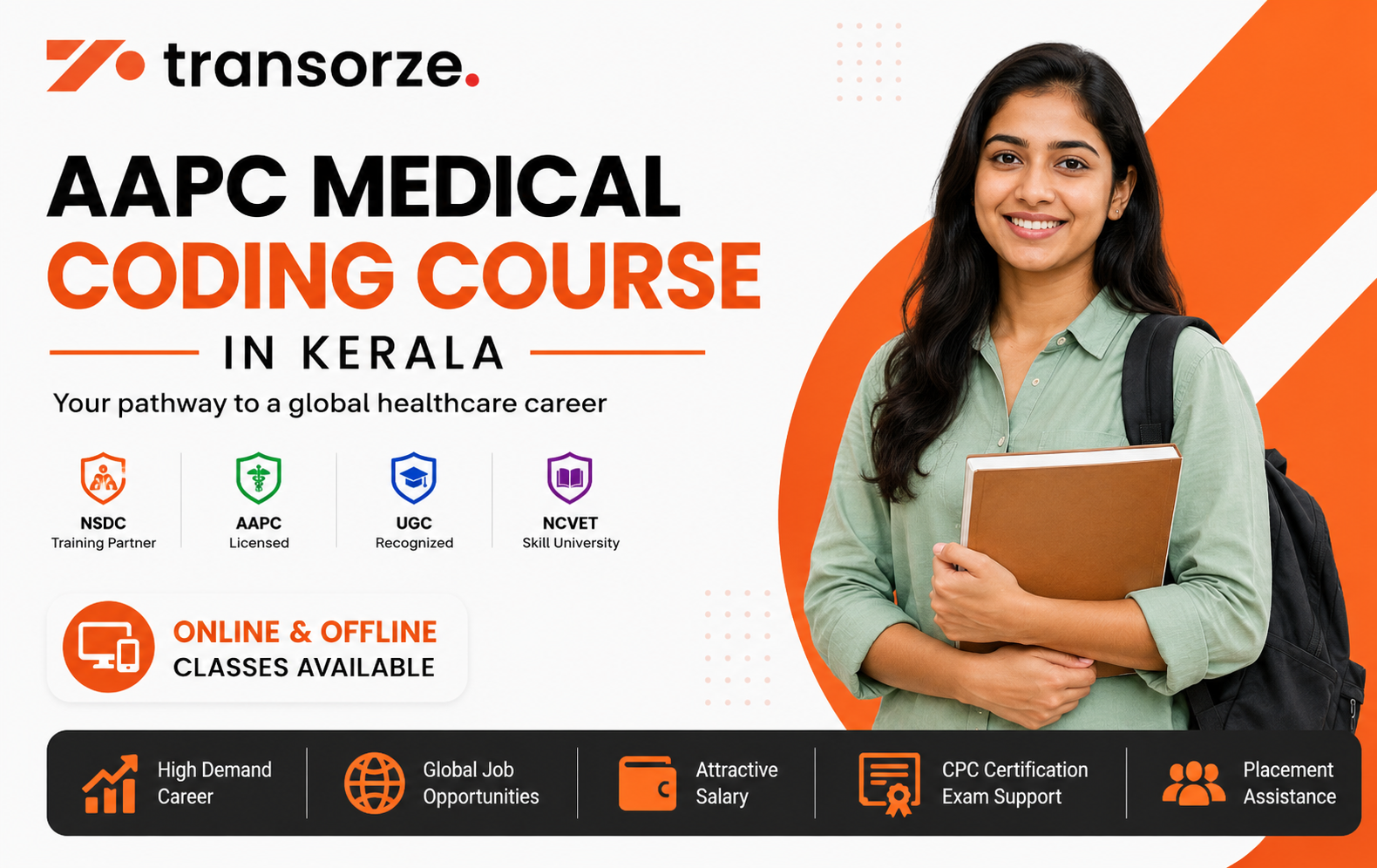
Medical coding has become one of the fastest-growing healthcare careers in India, and Kerala is witnessing a significant rise in students choosing this profession. Hospitals, insurance companies, healthcare BPOs, and revenue cycle management firms are actively hiring certified medical coders who understand international coding standards. Among all global certifications, the AAPC Certified Professional Coder (CPC) credential continues to be one of the most recognized qualifications for individuals planning a career in medical coding.
If you’re searching for the best AAPC medical coding course in Kerala, chances are you have several questions. Which institute should you choose? Is the certification worth it? Can beginners apply? What salary can you expect? This guide answers those questions in a practical, easy-to-understand manner while helping you make an informed career decision.
What Is an AAPC Medical Coding Course?
An AAPC medical coding course prepares students for the internationally recognized Certified Professional Coder (CPC) examination conducted by AAPC. The program teaches students how to convert medical diagnoses, procedures, and healthcare services into standardized codes using internationally accepted coding systems such as ICD-10-CM, CPT, and HCPCS Level II. These codes are essential for insurance reimbursement, medical billing, healthcare documentation, and maintaining accurate patient records. AAPC’s CPC certification remains one of the industry’s most respected credentials for physician-based medical coding.
Unlike a general medical coding course, an AAPC-focused training program emphasizes examination preparation, coding accuracy, compliance standards, and practical case studies. Students become familiar with real-world healthcare documentation while learning coding guidelines that are widely used in hospitals and healthcare organizations across the globe.
Why Is Kerala Becoming a Hub for Medical Coding?
Kerala has emerged as one of India’s preferred destinations for healthcare education. The state’s strong educational background, expanding healthcare infrastructure, and increasing number of international healthcare outsourcing companies have created excellent employment opportunities for trained medical coders.
Many multinational companies now recruit directly from Kerala because graduates often possess strong English communication skills and good analytical abilities. Medical coding also offers career stability without requiring direct patient interaction, making it an attractive option for science graduates, pharmacy graduates, nursing professionals, physiotherapists, life science students, and allied healthcare graduates.
The increasing adoption of electronic health records, insurance digitization, and global healthcare outsourcing continues to create demand for certified coders, making this career path more promising than ever.
Who Can Join an AAPC Medical Coding Course?
One of the biggest advantages of medical coding is that it welcomes students from diverse healthcare and life science backgrounds. While a medical foundation helps, many institutes provide beginner-friendly training that starts with medical terminology and anatomy before progressing into advanced coding concepts.
Generally, the course is suitable for:
| Educational Background | Eligibility |
|---|---|
| B.Sc Nursing | Excellent |
| Pharmacy Graduates | Excellent |
| Life Science Graduates | Excellent |
| BPT | Excellent |
| MBBS/BDS/BAMS/BHMS | Excellent |
| Allied Health Students | Good |
| Fresh Graduates | Good with proper training |
Even candidates without prior coding knowledge can succeed with structured training, practical exercises, and regular assessments.
What Should You Look for in an AAPC Medical Coding Institute?
Choosing the right training institute is just as important as deciding to pursue medical coding. A quality institute should focus on both conceptual learning and practical coding experience rather than only preparing students to memorize examination questions.
Look for an institute that offers Online & Offline classes, experienced trainers, live coding practice, updated coding manuals, mock examinations, placement assistance, interview preparation, and career guidance. It is also beneficial if the training environment mirrors actual industry workflows so students gain confidence before entering the workforce.
Students should also verify whether the institute is associated with recognized educational and skill-development frameworks. A program that combines recognition as an NSDC Training Partner, is AAPC Licensed, UGC Recognized, and aligned with an NCVET Skill University offers added credibility and helps learners build confidence in the quality of their education.
Among the institutes providing such comprehensive training is Transorze, which offers structured learning pathways for aspiring medical coders along with flexible classroom and online learning options.
What Will You Learn in an AAPC Medical Coding Course?
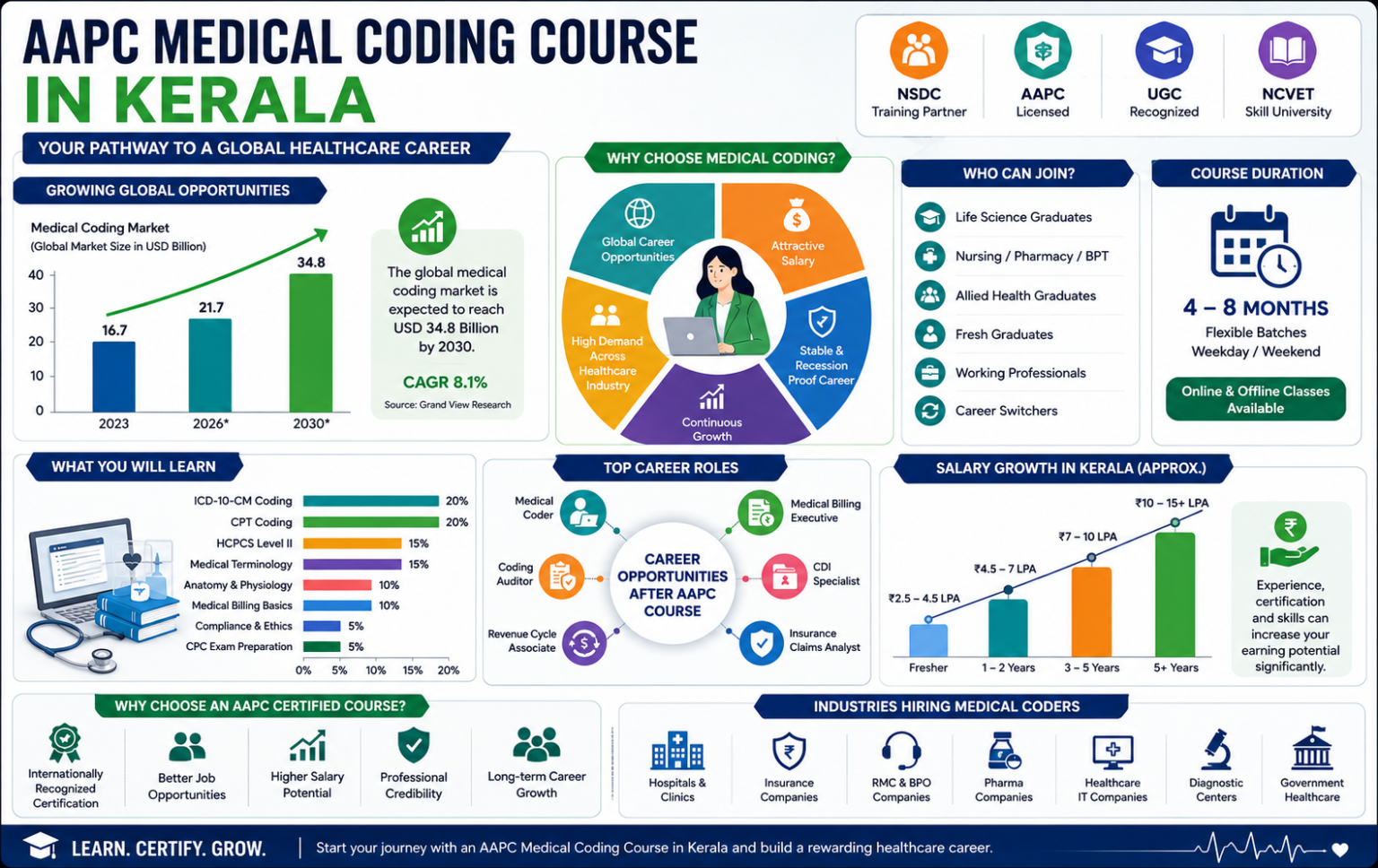
A well-designed AAPC medical coding training goes beyond simply teaching students how to assign diagnosis and procedure codes. It develops a complete understanding of healthcare documentation, insurance processes, compliance regulations, and coding accuracy. The curriculum is typically structured in a progressive manner so that beginners can build a strong foundation before advancing to more complex coding scenarios. By the end of the program, students should be confident in interpreting physician documentation and selecting the appropriate codes according to industry guidelines.
A standard course generally covers:
- Medical Terminology
- Human Anatomy & Physiology
- Disease Process (Pathophysiology)
- ICD-10-CM Coding
- CPT Coding
- HCPCS Level II Coding
- Medical Billing Basics
- Healthcare Documentation
- Compliance & Ethics
- Case Study-Based Coding Practice
- CPC Exam Preparation
- Mock Tests and Performance Evaluation
Practical assignments play a crucial role in helping students apply theoretical knowledge to real clinical scenarios. Many institutes also conduct coding workshops and timed mock examinations to simulate the actual CPC certification exam, enabling students to identify weak areas and improve their speed and accuracy before appearing for the official test.
Certifications That Matter
Employers often give preference to candidates who possess recognized certifications because they demonstrate industry-standard knowledge and coding competency. Students should look for training programs where they become eligible for certifications and credentials recognized across the healthcare industry.
Quality institutes prepare students for internationally accepted coding standards while also providing academic recognition. Students benefit from credentials associated with NSDC Training Partner, AAPC Licensed, UGC Recognized, and NCVET Skill University, strengthening both credibility and employability in domestic as well as international healthcare organizations.
How Long Does the Course Take?
The duration of an AAPC medical coding course in Kerala varies depending on the institute and the learning format chosen. Most comprehensive programs are designed to be completed within 4 to 8 months, allowing sufficient time for both conceptual learning and exam preparation.
Students who opt for classroom sessions often benefit from structured schedules and face-to-face interactions with trainers, while online learners enjoy the flexibility to study from home without compromising on quality. Weekend and evening batches are also available at many institutes, making it easier for working professionals and college students to balance their studies with other commitments.
The exact duration may also depend on factors such as prior medical knowledge, individual learning pace, and the amount of time dedicated to self-study and practice.
What Is the Fee for an AAPC Medical Coding Course in Kerala?
Course fees can differ based on several factors, including institute reputation, trainer experience, study materials, practice resources, placement support, and whether the CPC examination fee is included in the package. Instead of focusing solely on the lowest fee, students should evaluate the overall value offered by the training program.
Some institutes provide:
| Feature | May Be Included |
|---|---|
| Classroom Training | ✔ |
| Online Classes | ✔ |
| CPC Exam Coaching | ✔ |
| Study Materials | ✔ |
| Mock Exams | ✔ |
| Placement Assistance | ✔ |
| Interview Preparation | ✔ |
Before enrolling, students should clarify what is included in the total fee, whether coding manuals are provided, and if there are any additional charges for examination registration or certification support. A transparent fee structure helps avoid unexpected expenses later.
Why Is the CPC Certification So Valuable?
The Certified Professional Coder (CPC) credential is recognized internationally and demonstrates that a candidate possesses the knowledge and practical skills required for professional medical coding. Employers often prioritize CPC-certified applicants because the certification validates coding accuracy, compliance awareness, and familiarity with international healthcare standards.
Holding a CPC certification can significantly improve employability in hospitals, physician practices, insurance companies, revenue cycle management organizations, healthcare BPOs, and multinational healthcare firms. It also opens doors to remote and international career opportunities, especially for professionals seeking long-term growth in the healthcare industry.
Certification not only enhances your resume but also reflects your commitment to maintaining high professional standards. As healthcare regulations evolve, certified coders are expected to stay updated with coding changes, making continuous learning an integral part of the profession.
Career Opportunities After Completing an AAPC Medical Coding Course
Medical coding offers a wide range of career opportunities across the healthcare ecosystem. As healthcare providers increasingly rely on accurate documentation for reimbursement and regulatory compliance, the demand for qualified coders continues to grow.
Graduates can pursue roles such as:
- Medical Coder
- Certified Professional Coder (CPC)
- Coding Auditor
- Medical Billing Executive
- Revenue Cycle Associate
- Coding Quality Analyst
- Healthcare Documentation Specialist
- Insurance Claims Analyst
- Clinical Documentation Improvement (CDI) Associate
Employment opportunities are available in multispecialty hospitals, healthcare outsourcing companies, insurance providers, telehealth organizations, pharmaceutical firms, and global healthcare service companies. With experience and additional certifications, professionals can progress into auditing, compliance, quality assurance, and team leadership roles.
Salary Expectations for Medical Coders in Kerala
Salary depends on several factors, including educational background, certification status, employer, location, and work experience. Freshers who complete quality training and earn CPC certification often receive competitive entry-level packages, while experienced professionals can see substantial salary growth over time.
A general salary progression may look like this:
| Experience | Estimated Salary Range |
|---|---|
| Fresher | ₹2.5–4.5 LPA |
| 2–4 Years | ₹4.5–7 LPA |
| 5+ Years | ₹7–12+ LPA |
Professionals working with multinational healthcare organizations, specialized coding domains, or remote international clients may earn even higher compensation based on expertise and performance.
How to Choose the Best AAPC Medical Coding Course in Kerala
Selecting the right AAPC Medical Coding institute is one of the most important decisions you’ll make on your journey toward becoming a certified medical coder. While advertisements often highlight placement rates or fee discounts, the real value lies in the quality of education and the support provided throughout your learning experience. A strong training program should help you understand medical concepts, master coding guidelines, and build the confidence needed to pass the CPC examination and perform well in a professional work environment.
When comparing institutes, consider factors such as experienced faculty, updated curriculum, hands-on coding practice, mock examinations, flexible learning options, placement assistance, and student reviews. It is also worthwhile to ask about trainer credentials, batch size, doubt-clearing sessions, and industry exposure. A transparent institute will clearly explain the course structure, expected learning outcomes, certification process, and career support available after course completion. Spending time researching these aspects can significantly influence your future success.
Tips to Successfully Clear the AAPC CPC Examination
Passing the CPC examination requires consistent preparation rather than last-minute study. Students who perform well generally build a strong foundation in anatomy, medical terminology, and coding guidelines before attempting advanced case studies. Regular practice with real coding scenarios improves both speed and accuracy, which are equally important during the examination.
Some practical strategies include:
- Study the official coding guidelines thoroughly.
- Practice coding real medical records every day.
- Become familiar with ICD-10-CM, CPT, and HCPCS manuals.
- Attempt full-length mock examinations under timed conditions.
- Review incorrect answers carefully to understand common mistakes.
- Focus on accuracy before trying to improve speed.
- Stay updated with the latest coding revisions and examination pattern.
Consistency is far more valuable than studying for long hours occasionally. Even dedicating a few focused hours each day can make a noticeable difference in your understanding and examination performance.
Why Medical Coding Continues to Be a Strong Career Choice
Healthcare remains one of the world’s fastest-growing industries, and accurate medical documentation is essential for hospitals, physicians, insurance providers, and healthcare organizations. Every patient encounter generates clinical information that must be converted into standardized codes for billing, reimbursement, compliance, and statistical reporting. This ongoing need ensures that skilled medical coders continue to play a critical role in the healthcare system.
The profession also offers several advantages beyond job availability. Medical coding provides opportunities for career advancement, specialization, stable income, and continuous professional development. Experienced coders can transition into auditing, compliance management, quality analysis, clinical documentation improvement, training, or healthcare consulting. For professionals seeking long-term career stability with international opportunities, medical coding remains an excellent option.
STUDENTS SUCCESS STORIES
Conclusion
Choosing the best AAPC medical coding course in Kerala involves more than comparing course fees or batch timings. A quality training program should provide comprehensive instruction, practical coding experience, experienced mentors, recognized credentials, and strong placement support. Whether you’re a recent graduate or a healthcare professional looking to change careers, the right course can help you build the skills required for success in the global healthcare industry.
With increasing demand for certified coders across hospitals, insurance companies, healthcare BPOs, and multinational organizations, earning a CPC certification can significantly improve your career prospects. By selecting an institute that offers structured learning, Online & Offline classes, practical exposure, and recognized educational standards, you’ll be better prepared to enter this growing field with confidence and build a rewarding long-term career.
Frequently Asked Questions
The best course is one that provides comprehensive CPC exam preparation, experienced trainers, practical coding sessions, placement assistance, flexible learning options, and recognized educational credentials. Students should compare curriculum quality, industry exposure, and success stories before making a decision.
Most institutes accept graduates from Life Sciences, Nursing, Pharmacy, Physiotherapy, Allied Health Sciences, and other healthcare-related disciplines. Some programs also provide foundational training for beginners with limited medical knowledge.
Yes. Many reputed institutes now offer both Online & Offline classes, allowing students and working professionals to choose the learning mode that best fits their schedule while receiving the same academic support.
The CPC examination is challenging but manageable with structured preparation, regular practice, and a strong understanding of coding guidelines. Mock tests, case studies, and consistent revision greatly improve the chances of success.
Yes. Kerala has witnessed growing demand for certified medical coders due to the expansion of healthcare outsourcing companies, hospitals, insurance services, and revenue cycle management organizations. The profession offers stable career growth and opportunities both within India and internationally.
Absolutely. Many students begin their careers immediately after graduation by completing professional medical coding training and earning CPC certification. Entry-level positions often provide excellent learning opportunities and career progression.
AI is transforming medical coding by automating repetitive tasks and improving efficiency, but it is not replacing skilled professionals. Human coders remain essential for interpreting complex clinical documentation, ensuring compliance, and maintaining coding accuracy. Professionals who understand both coding principles and AI-assisted tools are expected to remain highly valuable in the healthcare industry.
