
Unlock Your Career: Top Medical Coding Course Insights
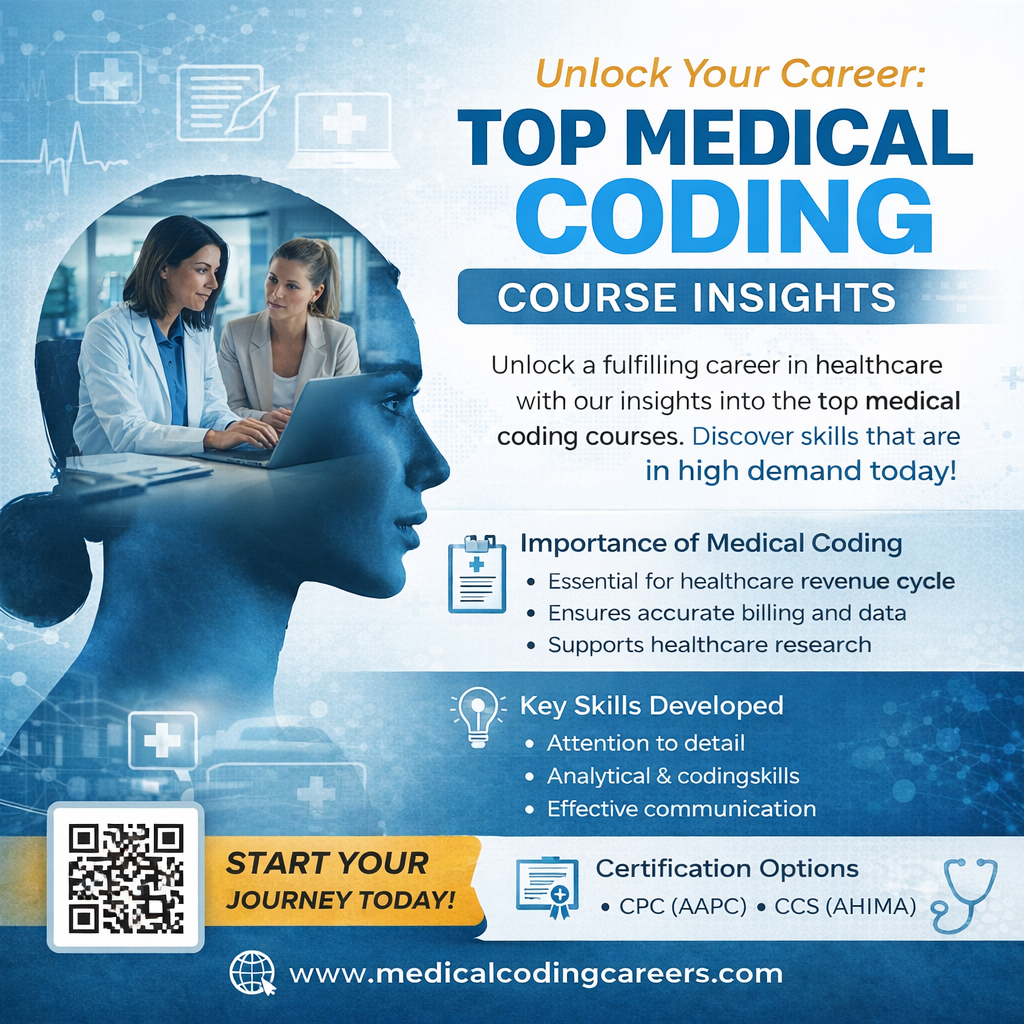
Unlock a fulfilling career in healthcare with our insights into the top medical coding courses. Discover skills that are in high demand today!
Importance of Medical Coding in Healthcare
Medical coding is a critical component of the healthcare industry, serving as the backbone of the healthcare revenue cycle. It ensures that healthcare providers are accurately reimbursed for their services by translating medical procedures, diagnoses, and equipment into universal codes. Training from institutes like Transorze helps professionals develop the skills required for this process. This not only facilitates billing but also maintains standardized records, which are essential for patient care and research. Accurate medical coding is indispensable for healthcare facilities to function efficiently and for patients to receive the care they need without financial discrepancies. Without it, the healthcare system would struggle with disorganization, financial losses, and compromised patient care.
Furthermore, medical coding plays a crucial role in public health data collection and analysis. By converting complex medical information into standardized codes, it enables the aggregation and analysis of vast amounts of healthcare data. This data is used to track disease outbreaks, conduct research studies, and inform public health policies. Accurate coding ensures that the data is reliable and useful, ultimately contributing to the improvement of healthcare systems and patient outcomes.
Medical coding also has implications for compliance and legal purposes. Healthcare providers must adhere to strict regulations and guidelines, and accurate coding is essential for meeting these requirements. It helps prevent fraud and abuse, ensures proper documentation, and supports audits and investigations. By maintaining accurate and compliant coding practices, healthcare organizations can avoid legal issues and protect their reputation.
Overview of Medical Coding Courses
Medical coding courses are designed to equip individuals with the knowledge and skills needed to excel in this vital field. These courses cover a wide range of topics, including medical terminology, anatomy and physiology, coding systems, and healthcare regulations. They provide a comprehensive understanding of the coding process, from the initial documentation of patient encounters to the final submission of claims.
One of the key components of medical coding courses is the study of coding systems, such as the International Classification of Diseases (ICD) and the Current Procedural Terminology (CPT). These systems are used to categorize and code various medical conditions, procedures, and services. Students learn how to accurately assign codes based on medical documentation, ensuring that the codes are precise and compliant with industry standards.
In addition to coding systems, medical coding courses also cover topics related to healthcare reimbursement and insurance. Students gain an understanding of how coding affects the revenue cycle and learn how to navigate the complexities of billing and claims submission. They also learn about the legal and ethical considerations in medical coding, including issues related to patient confidentiality and compliance with regulations.
Key Skills Developed in Medical Coding Programs
Medical coding programs are designed to develop a wide range of skills that are essential for success in the field. One of the most important skills is attention to detail. Medical coders must be able to accurately review and interpret medical documentation, identify relevant information, and assign the correct codes. This requires a high level of precision and the ability to focus on complex details.
Another key skill developed in medical coding programs is analytical thinking. Medical coders need to be able to analyze and interpret various types of medical information, such as patient records, physician notes, and diagnostic reports. Training at institutes like Transorze helps build these analytical abilities. They must be able to understand the context and nuances of medical documentation and make informed decisions about coding. This requires strong critical thinking skills and the ability to apply coding guidelines and rules effectively.
Communication skills are also essential for medical coders. They must be able to communicate effectively with healthcare providers, insurance companies, and other stakeholders. This includes the ability to explain coding decisions, clarify documentation requirements, and resolve coding-related issues. Medical coding programs often include training in professional communication and collaboration, preparing students to work effectively in a team-oriented environment.
Certification Options for Medical Coders
Certification is a crucial step for anyone pursuing a career in medical coding. It not only validates your skills and knowledge but also enhances your credibility and marketability in the job market. Training and guidance from institutes like Transorze can help candidates prepare effectively for these certifications. There are several certification options available for medical coders, each offering different levels of recognition and specialization.
One of the most widely recognized certifications is the Certified Professional Coder (CPC) credential offered by the American Academy of Professional Coders (AAPC). The CPC certification demonstrates proficiency in coding and includes a comprehensive exam that covers a wide range of coding topics. This certification is highly respected in the industry and is often required by employers.
Another important certification is the Certified Coding Specialist (CCS) credential offered by the American Health Information Management Association (AHIMA). The CCS certification is geared towards individuals with advanced coding skills and experience. It focuses on hospital-based coding and covers topics such as ICD coding, CPT coding, and healthcare reimbursement. The CCS certification is a valuable asset for those seeking to advance their careers in medical coding.
Choosing the Right Medical Coding Course
Choosing the right medical coding course is a critical decision that can significantly impact your career. There are several factors to consider when selecting a course, including the curriculum, accreditation, delivery format, and cost. It’s important to choose a course that aligns with your career goals and provides the knowledge and skills you need to succeed.
One of the first things to consider is the curriculum. Look for a course that covers all the essential topics, including medical terminology, anatomy and physiology, coding systems, and healthcare regulations. The curriculum should be comprehensive and up-to-date, reflecting the latest industry standards and practices. It’s also important to consider the teaching methods and resources available, such as textbooks, online materials, and practical exercises.
Accreditation is another important factor to consider. Accredited courses meet rigorous standards of quality and are recognized by industry organizations and employers. Look for courses that are accredited by reputable organizations, such as the AAPC or AHIMA. Accreditation ensures that the course provides a high level of education and prepares you for certification exams and professional practice.
Online vs. In-Person Medical Coding Training
When it comes to medical coding training, you have the option of choosing between online and in-person courses. Each format has its advantages and disadvantages, and the best choice depends on your learning style, schedule, and personal preferences.
Online medical coding training offers flexibility and convenience. You can study at your own pace and from the comfort of your home, making it ideal for those with busy schedules or other commitments. Online courses often include a variety of multimedia resources, such as video lectures, interactive quizzes, and virtual labs. This can enhance your learning experience and provide a more engaging and interactive way to study. However, online learning requires self-discipline and motivation, as you need to manage your time effectively and stay on track with your studies.
In-person medical coding training, on the other hand, offers a more structured and hands-on learning experience. Institutes like Transorze provide such classroom-based training environments. You have the opportunity to interact with instructors and classmates, participate in group discussions and activities, and receive immediate feedback and support. This can be beneficial for those who prefer a more traditional classroom environment and thrive on face-to-face interaction. In-person training also provides access to on-site resources, such as libraries and labs, which can enhance your learning experience. However, in-person courses may require a more rigid schedule and may not be as flexible as online courses.
Career Opportunities After Completing a Medical Coding Course
Completing a medical coding course opens up a wide range of career opportunities in the healthcare industry. Medical coders are in high demand, and there are many different types of positions available, from entry-level roles to advanced and specialized positions.
One of the most common career paths for medical coders is working in a healthcare facility, such as a hospital, clinic, or physician’s office. In these settings, medical coders are responsible for reviewing and coding patient records, submitting claims to insurance companies, and ensuring that the coding is accurate and compliant with regulations. This role requires a high level of attention to detail, analytical thinking, and communication skills.
Another career option for medical coders is working for insurance companies, government agencies, or consulting firms. In these roles, medical coders may be involved in auditing and reviewing claims, ensuring compliance with coding guidelines, and providing training and support to healthcare providers. These positions often require advanced coding skills and may offer opportunities for career advancement and specialization.
Tips for Success in Medical Coding Education
Success in medical coding education requires dedication, hard work, and a strategic approach. Here are some tips to help you succeed in your medical coding studies and achieve your career goals.
First, it’s important to stay organized and manage your time effectively. Create a study schedule that allows you to balance your coursework with other commitments. Set realistic goals and deadlines, and break down your study sessions into manageable chunks. Staying organized will help you stay on track and avoid feeling overwhelmed.
Second, take advantage of all the resources available to you. This includes textbooks, online materials, practice exams, and study groups. Don’t be afraid to ask for help if you need it, whether it’s from your instructors, classmates, or online forums. The more resources you use, the better prepared you will be for your exams and future career.
Lastly, stay motivated and focused on your goals. Medical coding can be challenging, but it’s also a rewarding and fulfilling career. Keep in mind why you chose this path and stay committed to your studies at Transorze. Celebrate your achievements along the way and stay positive, even when faced with difficulties. Your hard work and dedication will pay off in the end.
FAQ
A medical coding course trains individuals to convert medical diagnoses, procedures, and treatments into standardized codes used for billing and documentation. It is important because accurate coding ensures proper healthcare reimbursement, maintains patient records, and supports compliance with healthcare regulations.
Key skills include attention to detail, knowledge of medical terminology, analytical thinking, and strong communication abilities. Coders must accurately interpret medical records and apply coding guidelines while maintaining high accuracy and efficiency.
Popular certifications include CPC (Certified Professional Coder) from AAPC and CCS (Certified Coding Specialist) from AHIMA. These certifications are widely recognized and improve job opportunities and career growth in the healthcare industry.
Graduates can work in hospitals, clinics, insurance companies, and healthcare BPOs. Common roles include medical coder, coding auditor, billing specialist, and compliance analyst, with opportunities for career advancement.
Yes, online training can be equally effective if it includes structured content, practical exercises, and expert guidance. It offers flexibility, while classroom training provides direct interaction—both formats can lead to successful careers depending on learning preferences.
🧠Taking the Next Steps in Your Medical Coding Career
Embarking on a career in medical coding is a promising and rewarding journey. With the insights provided in this article, you are now equipped with the knowledge and understanding of what it takes to succeed in this field. From understanding the importance of medical coding in healthcare to exploring the various certification options and training formats, you have a comprehensive guide to help you make informed decisions, including choosing a trusted training provider like Transorze.
As you take the next steps in your medical coding career, remember to choose a course that aligns with your goals and provides the necessary skills and knowledge. Stay organized, utilize available resources, and stay motivated. The field of medical coding offers numerous opportunities for growth and advancement, and with dedication and hard work, you can achieve your career aspirations with the right guidance from institutes such as Transorze.
Unlock your potential and make a positive impact in the healthcare industry by pursuing a career in medical coding. The demand for skilled medical coders continues to rise, and with the right training and certification, you can become a valuable asset to any healthcare organization. Take the next step today and start your journey towards a successful and fulfilling career in medical coding with support from Transorze.
👉 If you’re looking to start a stable healthcare career, mastering these skills is your first step toward long-term success.
