
Future Trends in Vocational and Technical Education
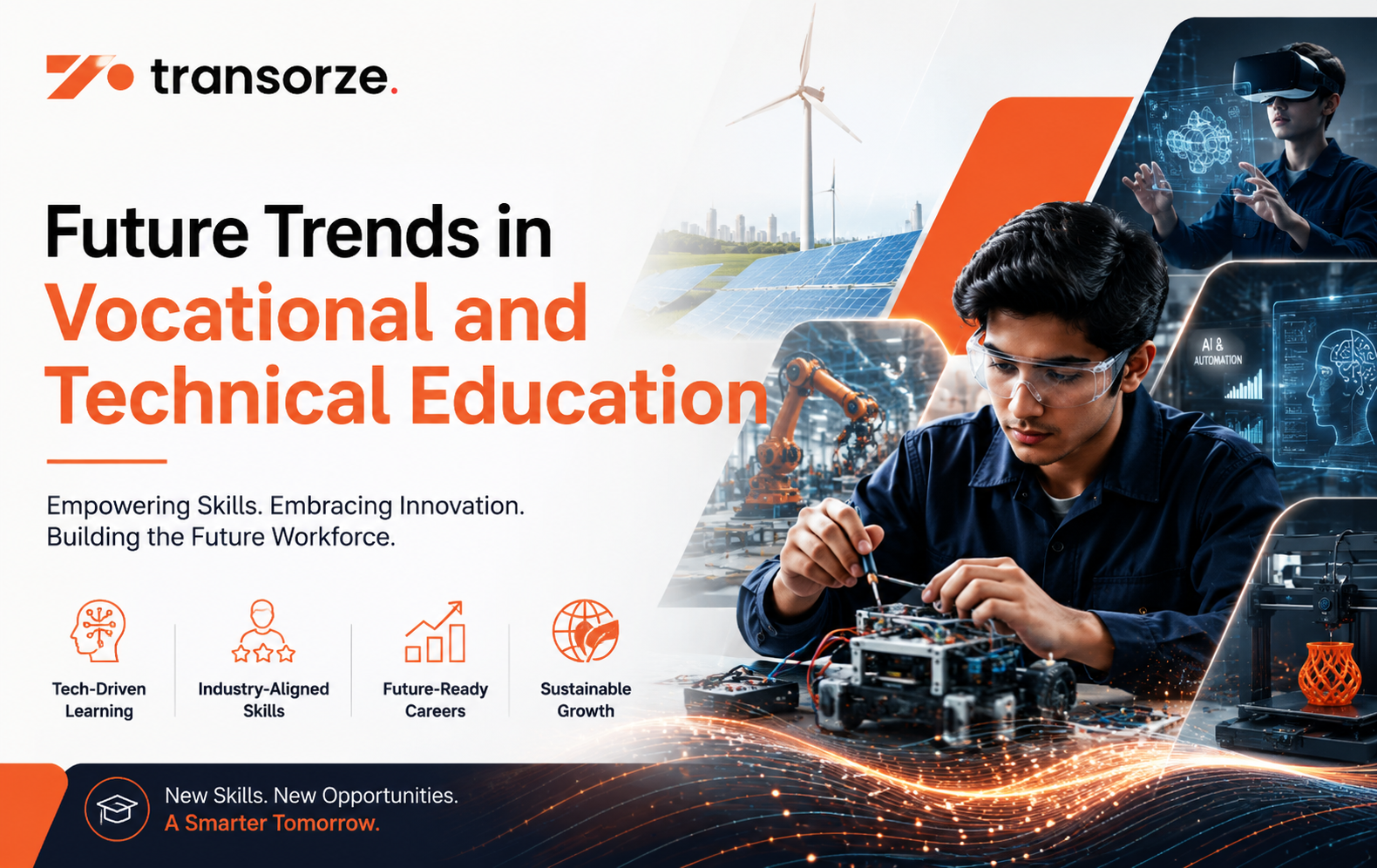
The world of work is changing faster than ever. Emerging technologies, automation, artificial intelligence, sustainability initiatives, and evolving employer expectations are reshaping industries across the globe. As a result, vocational and technical education is undergoing a significant transformation to meet workforce demands and prepare learners for future careers.
The future trends in vocational and technical education are focused on practical skill development, industry-aligned training, digital learning, and lifelong upskilling. Unlike traditional education models that often emphasize theory, vocational and technical programs are becoming increasingly career-oriented, helping students acquire job-ready competencies that employers actively seek.
Whether you are a student exploring career options, an educator adapting curriculum strategies, or a professional looking to remain competitive, understanding these trends can help you make informed decisions about learning and career development.
Why Vocational and Technical Education Is Becoming More Important
Employers today prioritize skills alongside academic qualifications. Industries such as healthcare, information technology, logistics, manufacturing, digital marketing, renewable energy, and business administration increasingly require specialized technical competencies.
Several factors are driving this shift:
- Growing skills gaps across industries
- Rapid technological advancements
- Increased demand for certified professionals
- Expansion of remote and hybrid work environments
- Need for continuous professional development
As organizations seek candidates who can contribute immediately, vocational and technical education serves as a bridge between learning and employment.
Trend 1: Industry-Driven Curriculum Development
One of the most significant future trends in vocational and technical education is stronger collaboration between educational institutions and industry leaders.
Training providers are increasingly designing programs based on real-world job requirements rather than outdated academic models. Curriculams are updated regularly to reflect:
- Emerging technologies
- Regulatory changes
- Industry best practices
- Employer expectations
- New workplace tools and software
This alignment ensures learners graduate with skills that are immediately relevant in the job market.
Benefits
- Higher employability
- Faster job placement
- Reduced skills mismatch
- Improved career progression opportunities
Trend 2: Growth of Online and Hybrid Learning Models
Digital transformation has revolutionized vocational education delivery.
Modern learners demand flexibility, especially working professionals balancing education with employment. Online learning platforms, virtual classrooms, and blended training environments are becoming standard.
Future vocational education programs increasingly include:
- Live instructor-led classes
- Recorded learning modules
- Interactive simulations
- Virtual laboratories
- Online assessments
- Mobile learning platforms
Hybrid learning combines the convenience of online education with hands-on practical training, making technical education more accessible than ever.
Trend 3: Micro-Credentials and Skill-Based Certifications
Traditional degree programs are no longer the only pathway to career advancement.
Employers increasingly recognize industry certifications, micro-credentials, and competency-based learning achievements. These shorter, focused programs help learners acquire specific technical skills quickly.
Popular certification areas include:
- Medical coding
- Healthcare documentation
- Data analytics
- Cybersecurity
- Logistics and supply chain management
- Artificial intelligence
- Digital marketing
- Business administration
Micro-credentials enable professionals to continuously upgrade their expertise without committing to lengthy academic programs.
Trend 4: Artificial Intelligence and Automation Integration
Artificial intelligence is transforming nearly every industry, creating demand for new technical skills while changing existing job roles.
Vocational institutions are adapting by integrating AI-related competencies into training programs.
Students are learning:
- AI-assisted workflows
- Data interpretation
- Digital automation tools
- Process optimization
- Technology management
Rather than replacing workers, AI is increasing demand for professionals who can effectively use and manage intelligent systems.
Industries Most Affected
- Healthcare
- Manufacturing
- Logistics
- Finance
- Retail
- Customer service
- Information technology
Future-ready professionals will need both technical expertise and digital literacy to succeed.
Trend 5: Greater Focus on Healthcare and Allied Health Education
Healthcare continues to be one of the fastest-growing employment sectors worldwide.
The increasing demand for healthcare services has created opportunities in:
- Medical coding
- Medical billing
- Clinical documentation
- Hospital administration
- Healthcare management
- Health information technology
As healthcare systems become increasingly digital, employers seek certified professionals capable of managing electronic health records, coding standards, compliance requirements, and administrative processes.
This trend is expected to accelerate significantly over the coming years.
Trend 6: Competency-Based Learning and Assessment
Traditional examination systems are gradually being complemented by competency-based assessments.
Instead of evaluating theoretical knowledge alone, institutions increasingly measure:
- Practical skills
- Workplace readiness
- Problem-solving ability
- Communication skills
- Technical proficiency
This approach provides employers with greater confidence that graduates possess the capabilities required for real-world performance.
Trend 7: Lifelong Learning and Continuous Upskilling
Career paths are no longer linear. Professionals frequently transition between roles, industries, and specializations throughout their careers.
Consequently, lifelong learning has become essential.
Successful professionals increasingly invest in:
- Short-term certifications
- Professional development courses
- Technical workshops
- Industry-specific credentials
- Continuing education programs
Vocational education providers are expanding flexible learning options to support learners at every career stage.
Trend 8: Sustainability and Green Skills Training
Governments and businesses are prioritizing sustainability initiatives, creating demand for environmentally conscious professionals.
Future vocational programs increasingly incorporate:
- Renewable energy technologies
- Sustainable manufacturing practices
- Environmental compliance
- Green logistics
- Energy efficiency management
Professionals with sustainability-related skills are expected to enjoy strong employment prospects as industries pursue environmental goals.
Trend 9: Soft Skills Becoming Essential Technical Skills
Technical expertise alone is no longer sufficient.
Employers increasingly seek candidates who combine technical proficiency with strong interpersonal abilities.
Critical skills include:
- Communication
- Leadership
- Teamwork
- Critical thinking
- Adaptability
- Time management
- Customer service
Vocational education programs are integrating these competencies into technical training to improve workplace readiness.
How Students Can Prepare for the Future
To remain competitive in an evolving job market, learners should focus on building both technical and transferable skills.
Recommended Steps
- Identify high-growth industries.
- Pursue recognized certifications.
- Develop digital literacy skills.
- Gain practical experience through projects and internships.
- Build professional networks.
- Commit to continuous learning.
- Stay informed about industry trends.
Students who proactively invest in skill development are better positioned for long-term career success.
Choosing the Right Technical Education Provider
When selecting a vocational training institution, consider:
- Industry recognition
- Certification value
- Placement support
- Experienced trainers
- Flexible learning options
- Updated curriculum
- Practical training opportunities
For learners seeking industry-relevant technical education, Transorze offers both Online & Offline classes across multiple career-focused programs and provides recognized credentials including NSDC Training Partner, AAPC Licensed, UGC Recognized, and NCVET Skill University certifications, helping students build skills that align with current employer expectations.
The Future of Vocational and Technical Education: What Lies Ahead
The future trends in vocational and technical education point toward a more flexible, technology-driven, industry-connected learning ecosystem. Education providers are moving beyond traditional teaching methods to create practical, competency-based learning experiences that prepare students for evolving workforce demands.
As industries continue to transform, vocational education will play a critical role in closing skill gaps, improving employability, and supporting economic growth. Students and professionals who embrace continuous learning, industry certifications, and emerging technologies will be best positioned to succeed in the careers of tomorrow.
Recommended Reads
- Comparing B.Voc and Traditional Degrees: Which is Better for Your Career?
- Best B.Voc Courses for a Lucrative Industry-Ready Degree
- Step-by-Step: Enrolling in Transorze’s Job-Oriented Courses
- Choosing Between BBA and B.Com: Which Path Fits Your Career Goals?
- Digital Marketing vs Traditional Marketing: Which Is Right for You?
- Beginner’s Guide to Logistics & Supply Chain Management Careers
Frequently Asked Questions
Key trends include online and hybrid learning, industry-driven curricula, AI integration, micro-credentials, competency-based assessments, healthcare-focused training, sustainability education, and lifelong learning initiatives.
Vocational education provides practical, job-ready skills that align directly with employer requirements, resulting in faster employment opportunities and stronger career outcomes.
Healthcare, information technology, logistics, manufacturing, renewable energy, digital marketing, and business administration currently offer strong demand for skilled vocational professionals.
Yes. Industry-recognized certifications demonstrate specialized expertise, improve employability, support promotions, and help professionals remain competitive in changing job markets.
Online vocational education offers flexibility and accessibility, while hybrid models combine digital learning with hands-on practical experience for comprehensive skill development.
Employers increasingly seek technical expertise, digital literacy, communication skills, problem-solving abilities, adaptability, leadership qualities, and continuous learning capabilities.
Professionals can remain competitive by pursuing certifications, updating technical skills regularly, following industry developments, and participating in ongoing professional development programs.
