
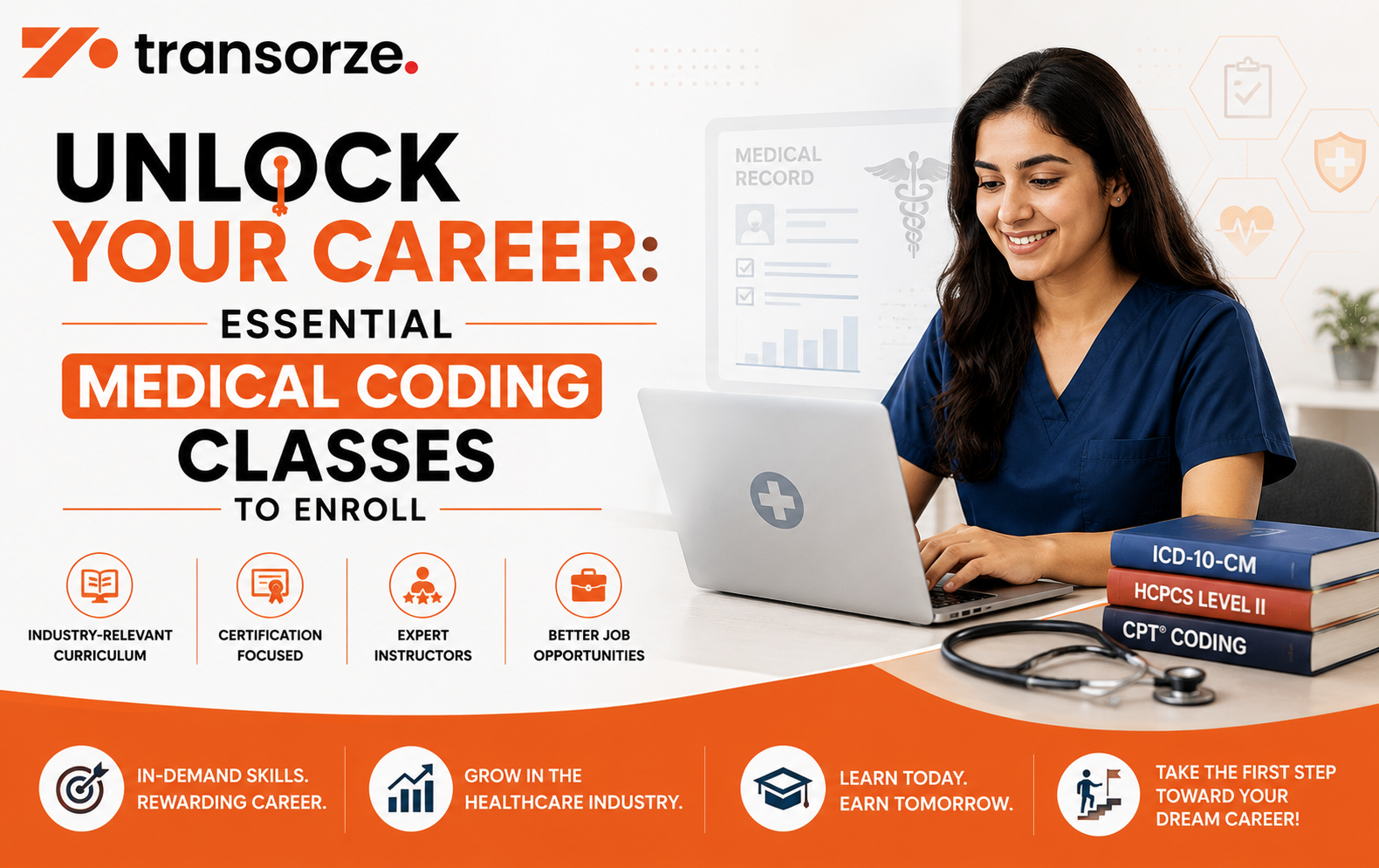
Unlock Your Career: Essential Medical Coding Classes to Enroll
Importance of Medical Coding in Healthcare
Medical coding is a critical element in the healthcare industry, acting as the bridge between patient care and medical billing. Accurate medical coding ensures that healthcare providers are reimbursed correctly for the services they provide, which in turn supports the financial health of medical facilities. By translating complex medical diagnoses, procedures, and services into standardized codes, medical coders facilitate the seamless operation of healthcare systems. This standardization is crucial not only for billing but also for maintaining patient records and tracking public health data.
The role of medical coding extends beyond mere financial transactions. It is integral to the accuracy and efficiency of patient care. When medical codes are precise, healthcare providers can quickly understand patients’ medical histories, thus improving the quality of care. Additionally, accurate coding helps in the identification of trends in diseases and treatments, contributing to better health outcomes on a larger scale. For instance, during outbreaks of diseases, accurate coding can help public health officials track the spread and implement timely interventions.
Moreover, medical coding is indispensable for compliance with various regulatory requirements. Healthcare providers must adhere to standards set by governmental and insurance entities, and accurate coding ensures that these standards are met. Incorrect coding can result in penalties, audits, and delays in payment, thereby underscoring the necessity of skilled medical coders in maintaining the integrity and efficiency of healthcare operations.
Overview of Medical Coding Classes
Embarking on a career in medical coding begins with enrolling in the right educational programs. Medical coding classes are designed to equip students with the knowledge and skills necessary to excel in this vital field. These classes cover a wide range of topics, from the fundamentals of anatomy and physiology to the intricacies of coding systems such as ICD-10, CPT, and HCPCS. The comprehensive curriculum ensures that students are well-prepared to handle the complexities of medical coding in various healthcare settings.
Medical coding classes are available in different formats to accommodate diverse learning preferences and schedules. Traditional in-person classes offer the advantage of direct interaction with instructors and peers, providing a structured learning environment. On the other hand, online medical coding classes offer flexibility, allowing students to learn at their own pace and from the comfort of their homes. Hybrid programs combine the best of both worlds, offering online coursework alongside periodic in-person sessions for hands-on practice and networking opportunities.
Furthermore, many medical coding programs include practical components such as internships or practicum experiences. These opportunities allow students to apply their classroom knowledge in real-world settings, gaining valuable hands-on experience. Through these practical experiences, students can better understand the workflow of medical coding, familiarize themselves with the latest coding software, and develop professional connections that can be beneficial as they enter the job market.
Key Skills Learned in Medical Coding Programs
Medical coding programs are meticulously designed to impart a diverse set of skills that are essential for a successful career in the field. One of the fundamental skills acquired is a thorough understanding of medical terminology. This includes the ability to comprehend and accurately interpret medical records, which is crucial for assigning the correct codes to diagnoses, procedures, and services. Students learn the language of medicine, encompassing terms related to anatomy, physiology, pathology, and pharmacology, which forms the foundation of their coding expertise.
Another critical skill developed in medical coding programs is proficiency in various coding systems. Students gain comprehensive knowledge of the International Classification of Diseases (ICD), Current Procedural Terminology (CPT), and Healthcare Common Procedure Coding System (HCPCS). These coding systems are the backbone of the medical coding process, and mastery of them is essential for accurate and efficient coding. Students learn how to navigate these systems, apply the appropriate codes, and stay updated with the latest revisions and guidelines.
In addition to technical skills, medical coding programs emphasize the importance of attention to detail and analytical thinking. Medical coders must be meticulous in their work, as even minor errors can lead to significant financial discrepancies and compliance issues. Analytical skills are also vital, as coders must be able to interpret complex medical documents and make informed decisions about the appropriate codes to use. These programs also often include training in coding software and electronic health records (EHR) systems, ensuring that graduates are proficient in the technological tools commonly used in the industry.
Types of Medical Coding Certifications
Obtaining a certification in medical coding is a crucial step towards establishing credibility and enhancing career prospects in the field. Several reputable organizations offer certifications that are recognized by employers across the healthcare industry. The most widely recognized certifications include the Certified Professional Coder (CPC) offered by the American Academy of Professional Coders (AAPC), the Certified Coding Specialist (CCS) provided by the American Health Information Management Association (AHIMA), and the Certified Inpatient Coder (CIC) also from AAPC.
The CPC certification is geared towards coders working in physician offices and outpatient settings. To earn this certification, candidates must demonstrate proficiency in coding various medical services and procedures using CPT, ICD-10-CM, and HCPCS Level II codes. The exam tests knowledge in medical terminology, anatomy, coding guidelines, and compliance regulations. The CPC credential is highly regarded and can significantly enhance job opportunities and earning potential.
The CCS certification, on the other hand, is designed for coders specializing in hospital settings. This certification requires a deep understanding of coding for inpatient and outpatient records, as well as proficiency in ICD-10-CM and ICD-10-PCS coding systems. The CCS exam is rigorous and requires candidates to have substantial coding experience or education. Achieving this certification demonstrates a high level of expertise and is often a prerequisite for advanced coding positions in hospitals and healthcare facilities.
For those specializing in inpatient coding, the CIC certification is an excellent choice. This credential focuses on the unique aspects of coding for inpatient hospital services, including the use of ICD-10-PCS codes. The CIC exam evaluates candidates’ knowledge of coding guidelines, medical terminology, and anatomy relevant to inpatient care. Earning the CIC certification can open doors to specialized coding roles and is a testament to the coder’s proficiency in a complex and demanding area of medical coding.
Top Medical Coding Schools and Online Programs
Choosing the right educational institution is a critical step towards a successful career in medical coding. Several top-ranked schools and online programs offer comprehensive medical coding courses that cater to various learning needs and career goals. Among these, the American Health Information Management Association (AHIMA) and the American Academy of Professional Coders (AAPC) stand out due to their industry-recognized credentials and extensive resources for students.
AHIMA offers a variety of programs, including the Coding Basics Program, which is ideal for beginners. This program covers essential topics such as medical terminology, anatomy, and coding systems. AHIMA’s programs are well-regarded for their rigorous curriculum and alignment with industry standards, making them a popular choice for aspiring medical coders. Additionally, AHIMA provides resources such as study guides, practice exams, and networking opportunities, which can be invaluable for students preparing for certification exams.
AAPC is another leading institution in the field of medical coding education. The AAPC’s medical coding training programs are comprehensive and designed to prepare students for the Certified Professional Coder (CPC) exam. AAPC offers both in-person and online courses, providing flexibility for students with different learning preferences. The online courses are particularly popular, as they allow students to progress at their own pace while still receiving support from experienced instructors. AAPC also offers a range of additional resources, including coding books, webinars, and local chapter meetings, which can help students stay current with industry developments.
In addition to these specialized institutions, several universities and community colleges offer accredited medical coding programs. For example, the University of Phoenix and DeVry University provide online medical coding and billing programs that are well-respected in the industry. These programs often include a blend of theoretical knowledge and practical experience, ensuring that graduates are well-prepared for the demands of the job. Students should research and compare programs to find the one that best fits their career goals, learning style, and schedule.
Factors to Consider When Choosing a Medical Coding Class
Selecting the right medical coding class is a crucial decision that can significantly impact your career trajectory. One of the primary factors to consider is the accreditation of the program. Accredited programs meet specific standards of quality and are recognized by industry organizations, which can enhance your credibility in the job market. Accreditation also ensures that the curriculum is aligned with current industry practices and prepares students for certification exams.
Another important consideration is the format of the class. Prospective students should evaluate whether they prefer in-person, online, or hybrid learning environments. In-person classes offer direct interaction with instructors and peers, which can be beneficial for collaborative learning and networking. Online classes, on the other hand, provide flexibility, allowing students to balance their studies with other commitments. Hybrid programs combine elements of both, offering online coursework with periodic in-person sessions. Students should choose the format that best suits their learning style and schedule.
The cost of the program is also a significant factor. Tuition fees can vary widely depending on the institution and the type of program. It’s important to consider not only the cost of tuition but also additional expenses such as textbooks, exam fees, and study materials. Some programs may offer financial aid, scholarships, or payment plans to help manage costs. Prospective students should research these options and consider the return on investment, such as potential salary increases and career advancement opportunities, when making their decision.
Furthermore, the reputation and success rate of the program are key indicators of its quality. Prospective students should look for programs with high pass rates for certification exams and positive reviews from alumni. Networking opportunities, job placement services, and internship programs are additional factors that can enhance the value of a medical coding class. By considering these factors, students can make an informed decision and choose a program that aligns with their career goals and personal circumstances.
Financial Aid and Scholarships for Medical Coding Students
Pursuing a career in medical coding can be a significant investment, but fortunately, there are numerous financial aid options and scholarships available to help alleviate the financial burden. Federal financial aid, including grants and loans, is one of the most common sources of funding for students. The Free Application for Federal Student Aid (FAFSA) is the first step in determining eligibility for federal aid. By completing the FAFSA, students may qualify for grants such as the Pell Grant, which does not need to be repaid, and federal student loans, which have lower interest rates and flexible repayment options.
In addition to federal aid, many state governments offer financial assistance programs for students pursuing healthcare-related education. These programs can include grants, scholarships, and loan repayment assistance for graduates who work in underserved areas. Students should research the specific opportunities available in their state and apply for as many as they qualify for to maximize their financial support.
Scholarships are another valuable source of funding for medical coding students. Many professional organizations, such as the American Health Information Management Association (AHIMA) and the American Academy of Professional Coders (AAPC), offer scholarships to students enrolled in accredited medical coding programs. These scholarships are often based on academic achievement, financial need, and commitment to the field of medical coding. Additionally, numerous private foundations, corporations, and community organizations provide scholarships for students pursuing careers in healthcare. Students should explore these opportunities and apply early, as scholarship deadlines can vary.
Employer tuition assistance programs are also worth considering. Many healthcare organizations offer tuition reimbursement or assistance programs for employees who wish to further their education in medical coding. These programs can significantly reduce the out-of-pocket costs for students while also providing job security and career advancement opportunities within the organization. By exploring various financial aid options and scholarships, students can find the support they need to invest in their education and achieve their career goals.
Career Opportunities After Completing Medical Coding Classes
Completing medical coding training opens the door to a variety of rewarding career opportunities in the healthcare industry. Medical coders are in high demand across a wide range of settings, including hospitals, physician offices, outpatient clinics, insurance companies, and government agencies. The skills and knowledge gained through medical coding programs prepare graduates to take on roles that are essential to the efficient operation of healthcare systems.
One of the most common career paths for medical coding graduates is working as a medical coder or health information technician. In this role, professionals are responsible for accurately translating medical records into standardized codes, which are used for billing, insurance claims, and maintaining patient records. Medical coders must have a strong understanding of coding systems, medical terminology, and healthcare regulations to perform their duties effectively. This role offers opportunities for specialization in areas such as inpatient coding, outpatient coding, or specialty coding for specific medical fields.
Another promising career opportunity is becoming a medical coding auditor or compliance specialist. In this role, professionals review medical records and coding practices to ensure accuracy and compliance with regulatory standards. Medical coding auditors play a critical role in identifying and correcting coding errors, preventing fraud, and ensuring that healthcare providers receive appropriate reimbursement for their services. This position often requires advanced certifications and a thorough understanding of healthcare regulations, making it a great option for experienced coders seeking career advancement.
Medical coding graduates may also pursue roles in healthcare administration and management. With their expertise in coding and healthcare documentation, they are well-equipped to take on leadership positions overseeing coding departments, managing health information systems, or developing policies and procedures related to medical coding and billing. These roles often involve coordinating with other healthcare professionals, implementing new technologies, and ensuring compliance with industry standards. The diverse career opportunities available to medical coding graduates demonstrate the value and versatility of this profession in the healthcare industry.
STUDENTS SUCCESS STORIES
Why Industry Certifications Matter
Professional certifications validate your coding knowledge and improve employability in the healthcare industry. Employers often prefer certified professionals because they demonstrate competency in medical coding standards, compliance guidelines, and documentation practices.
Training through an institution that provides internationally aligned curriculum along with recognized certifications helps candidates gain confidence before attending interviews and certification examinations.
Choosing a training provider with experienced faculty, placement support, and updated curriculum can make a significant difference in long-term career growth.
Job Roles After Medical Coding Training
After successfully completing a Medical Coding course, candidates can apply for multiple healthcare positions, including:
- Medical Coder
- Certified Professional Coder (CPC)
- Medical Billing Executive
- Healthcare Documentation Specialist
- Insurance Claims Analyst
- Coding Auditor
- Revenue Cycle Executive
- Clinical Documentation Specialist
- Healthcare Process Associate
Many healthcare organizations, multi-specialty hospitals, medical billing companies, insurance providers, and international healthcare outsourcing companies actively recruit trained medical coding professionals.
Why Choose Transorze for Medical Coding Training?
If you are looking for a career-focused medical coding institute, Transorze offers industry-oriented training designed to prepare students for real-world healthcare careers. Our Medical Coding program is available in both Online & Offline classes, allowing students and working professionals to learn at their convenience.
Students receive practical coding training using ICD-10-CM, CPT, and HCPCS coding standards while working on industry-based case studies. Our experienced trainers focus on building strong coding accuracy, medical terminology knowledge, and exam preparation skills that employers expect.
Our certification advantages include:
- NSDC Training Partner
- AAPC Licensed Training Provider
- UGC Recognized Programs
- NCVET Skill University Certification
Whether your goal is to work in hospitals, medical billing companies, insurance firms, or international healthcare organizations, structured training significantly improves your job readiness.
Conclusion and Next Steps for Aspiring Medical Coders
In conclusion, medical coding is a vital and rewarding career path within the healthcare industry. With the growing demand for healthcare services and the increasing emphasis on accurate medical documentation, the need for skilled medical coders continues to rise. By enrolling in essential medical coding classes, aspiring coders can acquire the knowledge and skills necessary to succeed in this dynamic field. From understanding medical terminology and mastering coding systems to developing attention to detail and analytical thinking, medical coding programs provide a comprehensive education that prepares students for various career opportunities.
Aspiring medical coders should take the time to research and choose the right educational programs that align with their career goals and learning preferences. Whether opting for traditional in-person classes, flexible online programs, or hybrid formats, students should ensure that their chosen program is accredited and recognized by industry organizations. Additionally, exploring financial aid options and scholarships can help alleviate the financial burden and make education more accessible.
Once the educational foundation is established, obtaining relevant certifications such as the CPC, CCS, or CIC can further enhance career prospects and credibility in the job market. These certifications demonstrate a high level of expertise and commitment to the field, making certified coders more attractive to potential employers. After completing their education and earning certifications, graduates can explore a wide range of career opportunities, from medical coding and auditing to healthcare administration and management.
The journey to becoming a successful medical coder requires dedication, continuous learning, and a passion for the healthcare industry. By taking the necessary steps to acquire the right education, certifications, and experience, aspiring coders can unlock their potential and make a significant impact in the healthcare field. The future is bright for medical coders, and with the right preparation and commitment, they can achieve their career goals and contribute to the efficiency and effectiveness of healthcare systems.
Recommended Reads
- Medical Coding and Billing Certificate: Your Complete Guide to a Rewarding Healthcare Career
- Medical Coding Course Duration and Fees: Complete Guide for 2026
- Medical Billing and Coding Course: Your Gateway to a Healthcare Career
- Best Medical Coding Institute in Kerala: How to Choose the Right Training for Your Career
Frequently Asked Questions
Yes. Medical coding continues to be one of the fastest-growing healthcare careers because every healthcare provider requires accurate clinical documentation and billing.
Yes. Many institutes now offer both Online & Offline Medical Coding classes with live instructor-led sessions, practical coding exercises, and placement assistance.
The CPC certification from AAPC is one of the most recognized certifications for outpatient medical coding. Other certifications may be suitable depending on your career goals.
Life Science graduates, Pharmacy graduates, Nursing graduates, Allied Health Science students, Medical Laboratory Technology graduates, Biotechnology graduates, and healthcare professionals can pursue Medical Coding training.
Medical coding professionals are recruited by hospitals, healthcare BPOs, insurance companies, revenue cycle management companies, and multinational healthcare organizations.
